
MRI Associates For Adults
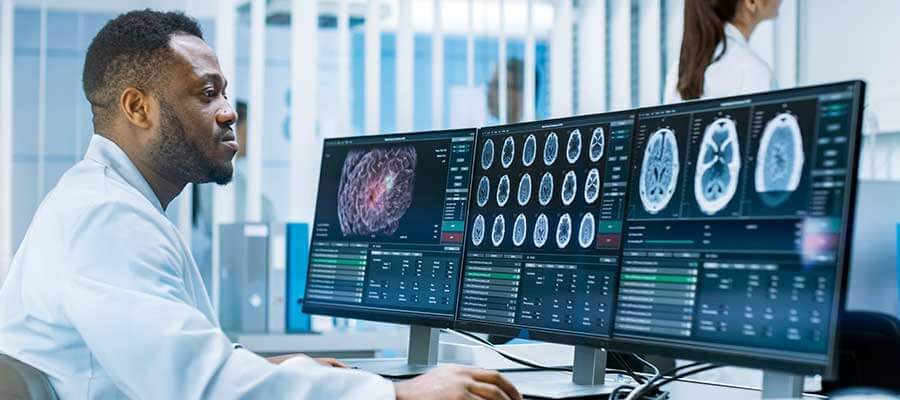
When looking for an MRI Tech School For Adults offering MRI associate’s degree you need to take Pulse Radiology into consideration. As of late the demand for certified MRI Technologist has taken many medical facilities by surprise. It is true, that few saw a pandemic on the horizon. But regardless the need for demand for qualified MRI & CT Techs was already outpacing the number of graduates entering the healthcare industry. One may think that a degree from University of the Pacific may be te path to follow as in the case of with organizations in aerospace. Not when it comes to MRI or CT Techs. As of late medical facilities are seeking for candidates that are ready to fill a position with minimum or no training. That is why there is such high demand for our alumni.
As a national MRI Tech School providing online MRI, CT, and Mammography Structured Education, we can help you advance your career in the field of radiology from a radiologic technologist to an advanced certified technologist in 14 weeks. Also, know that at Pulse Instituted we provide ARRT-approved MRI, CT, and Mammography courses with clinical training in 30+ states nationwide and ASRT for 25+ Category A CE Credits. There has never been a better time to get your MRI technologist associates degree and get going in a high paying career with an average salary of $75k/year with Pulse Radiology Education an MRI Tech School For Adults. Since opening our doors we has been the top choice destination for Professional in the Healthcare field looking for MRI technician online schools. We have now expanded those capabilities by offering degree For Adults.
Post Realted to MRI Associate’s Degree For Adults
Finding a Job After MRI Tech School
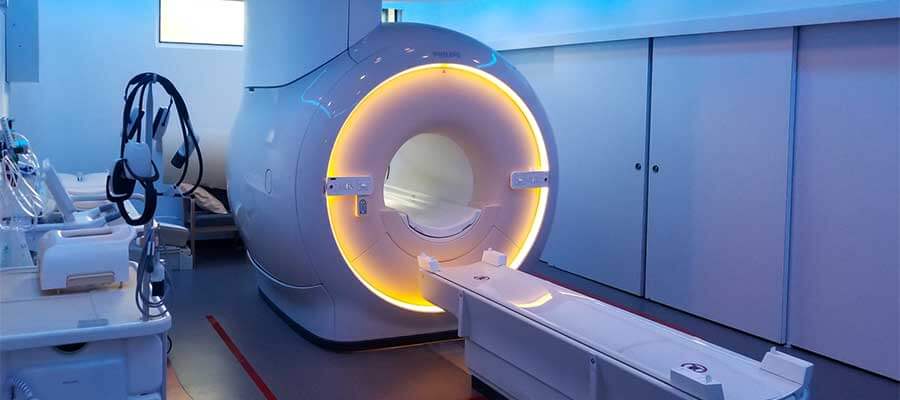
Graduating from an MRI tech school is an exciting milestone, but it doesn’t guarantee an automatic job. Like most healthcare careers, landing your first role as an MRI technologist requires more than just classroom knowledge—it takes certification, clinical experience, and a little strategy to stand out in a competitive field. The good news is that with the right preparation, you’ll not only meet employer expectations but also start your career on solid ground.
Why Certification Matters
One of the first steps after graduation is pursuing certification through organizations like the American Registry of Magnetic Resonance Imaging Technologists (ARMRIT) or the American Registry of Radiologic Technologists (ARRT). Most hospitals and diagnostic centers prefer, and often require, certification when hiring.
Certification tells employers that you’ve met rigorous professional standards. It shows you understand not just the theory but also the practice of MRI technology, making you a safer and more reliable choice for their patients. For graduates, obtaining certification quickly can be the key to moving ahead of other candidates who delay the process.
Clinical Training Gives You a Head Start
Employers also want to see evidence of hands-on experience. Book knowledge is important, but MRI is a highly practical field—you need to be comfortable operating scanners, positioning patients, and managing real-world situations.
Fortunately, accredited programs build clinical training into the curriculum. In fact, to qualify for certification exams, you’re typically required to complete 1,000 hours of supervised clinical work. This gives graduates an advantage, as they leave school with proven experience under their belts. It also reassures employers that you’ve interacted with patients, worked through imaging protocols, and navigated the demands of a busy clinical environment.
Clinical training also develops the soft skills—like communication, patience, and empathy—that are essential when working with patients who may feel nervous or uncomfortable during scans. These skills often set strong technologists apart from average ones.
If you want to go beyond the basics and stand out even more, consider adding extracurricular or volunteer experience. Opportunities that highlight your interpersonal skills—whether in healthcare or another field—help employers see you as a well-rounded professional.
For example, volunteering at community events, assisting in medical outreach, or even participating in roles that require customer service can strengthen your application. These experiences show initiative, work ethic, and the ability to connect with diverse groups of people—all valuable traits for someone working in healthcare.
Where MRI Technologists Work
Once you’re certified and ready to start applying, you’ll find three primary work environments to choose from: hospitals, diagnostic clinics, and radiology centers. Each has its own advantages, and the best choice depends on your career goals and lifestyle.
-
Hospitals: Working in a hospital setting often means a fast-paced environment where you’ll interact with multiple departments and specialists. This can expand your experience beyond routine MRI scans and expose you to complex, diverse cases.
-
Diagnostic clinics: Clinics typically offer more predictable hours and scheduled appointments, which many technologists appreciate for work-life balance. The patient flow is usually steady but less hectic than in hospitals.
-
Radiology centers: These centers focus on imaging services exclusively, often with advanced equipment and specialized cases. For technologists, it’s an environment dedicated to the craft of imaging.
Whichever path you choose, each setting offers valuable experience and opportunities to grow your career.
Why the Right School Makes All the Difference
Your ability to find a job after graduation starts with the education you receive. The right school won’t just provide coursework—it will prepare you for certification, ensure you gain meaningful clinical experience, and give you the tools to succeed in a competitive job market.
At Pulse Radiology Institute, students benefit from accredited online programs combined with nationwide clinical placements. Weekly assessments, mentorship, and mock exams ensure you graduate confident and ready to pursue certification. By the time you complete your training, you’ll have the experience, support, and credentials employers are looking for.
Graduating from an MRI tech school is just the beginning. Certification, clinical training, and a strong resume will help you secure your first position—and the right program can set you up for success in all three areas.
Pulse Radiology Institute is committed to guiding students through every stage of the process, from coursework and clinicals to exam prep and beyond. With accredited programs and a strong support network, we’ll help you take the leap from graduate to working MRI technologist with confidence.

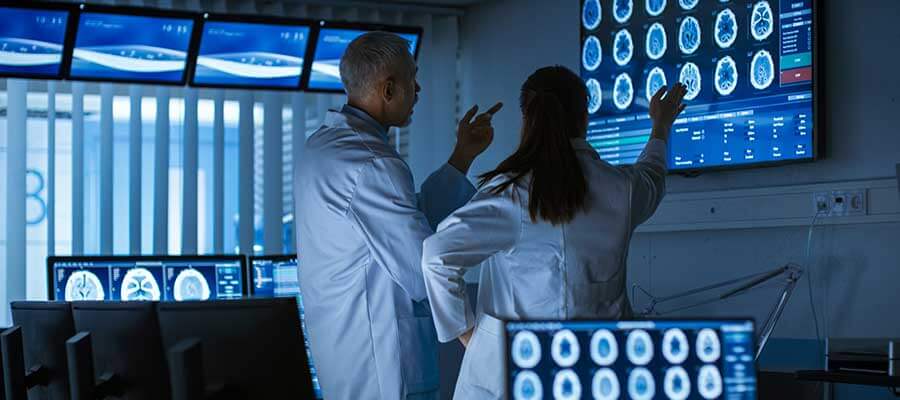

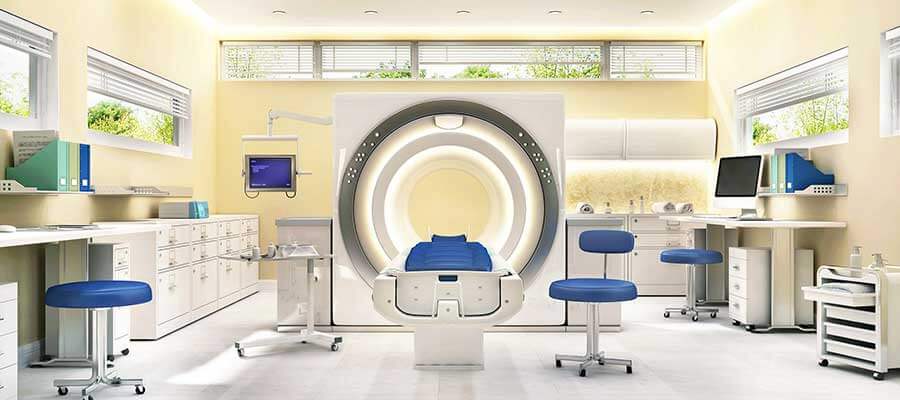
Why Should You Consider Getting MRI Associates Degree For Adults?
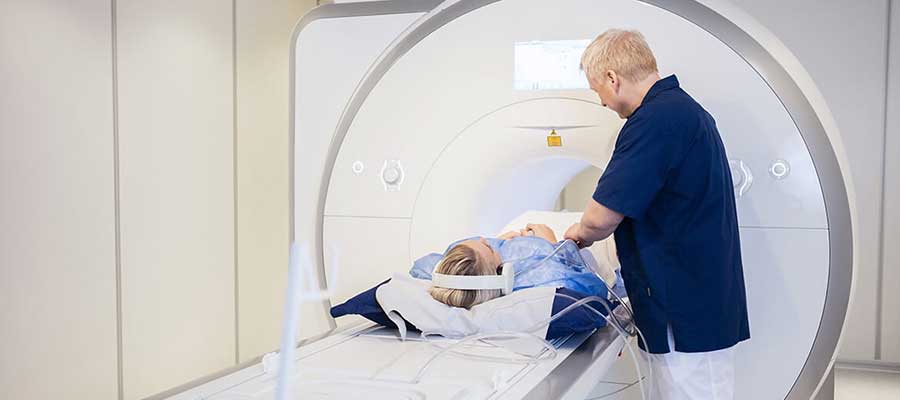
Recent world events underscored something many hospital HR personel already knew. There is a shortage of certified MRI techs in the market. Now is the time to get started on a high paying, high demand career in the healthcare industry as a Radiology technologist. And if you’re in search of an MRI Tech School For Adults offering associate’s degree in MRI? We have something for you! Since launching Pulse Education has been the go-to for MRI looking for MRI technologist programs For Adults. In 2024 we’re offering MRI associate’s degree For Adults considering a career as an MRI technologist.
MRI Technologist are very popular: MRI technology is becoming more commonplace, meaning there are lots of demand for people who know how to use this technology. We see plently job openings for MRI techs, as well as in many areas, there are not enough certified people to fill those spots. If you find yourself registering for these courses, you could find a great deal of incredible opportunities. The ideal career fields are the ones which are seeing lots of growth. This field is growing fast, and yes, it shows no hints of decreasing.