
MRI Associates in My Area
When searching for an MRI Tech School in My Area offering associate’s degree in radiology you have to consider Pulse Education. Today the demand for MRI Techs has taken many hospitals by surprise. It is true, that few saw a pandemic on the horizon. But despite that the need for demand for MRI & CT Techs was already outpacing the number of graduates entering the workforce. One may think that a degree from University at Albany SUNY may be te path to follow as in the case of with companies in Silicon Valley. Not when it comes to MRI or CT Techs. As of late employers are seeking for candidates that are ready to fill a position with minimum or no training. That is why there is such high demand for our alumni.
As a national MRI Tech School providing online MRI, CT, and Mammography Structured Education, we can help you advance your career in the field of radiology from a radiologic technologist to an advanced certified technologist in 14 weeks. Also, know that at Pulse Instituted we provide ARRT-approved MRI, CT, and Mammography courses with clinical training in 30+ states nationwide and ASRT for 25+ Category A CE Credits. There has never been a better time to get your associate’s degree in MRI and get going in a high paying career with an average salary of $80k/year with Pulse Radiology Education an MRI Tech School in My Area. Since 2017 we has been the go-to online school for Professional in the Medical field looking for MRI certificate program. We have extended those capabilities by offering associate’s degree in MRI Technology in My Area.
Blog Article Realted to MRI Associates in My Area
Why an Aspiring MRI Technologist Should Enroll in an MRI Program
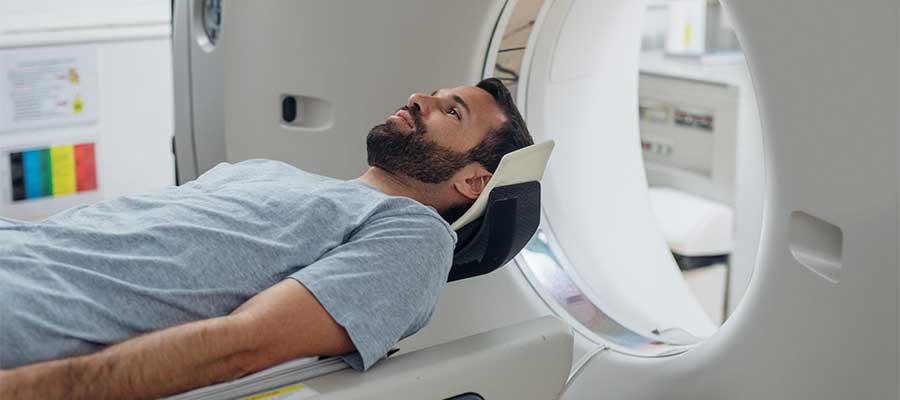
If you’re thinking about a career in medical imaging, the first step is enrolling in MRI programs. These programs are essential for anyone who wants to become eligible for the ARRT certification exam, which you’ll need to pass before stepping into the field as a practicing technologist.
But what does an MRI technologist actually do—and why is the role in such high demand? Let’s explore the responsibilities, benefits, and career opportunities that make this profession both rewarding and secure.
The Role of an MRI Technologist
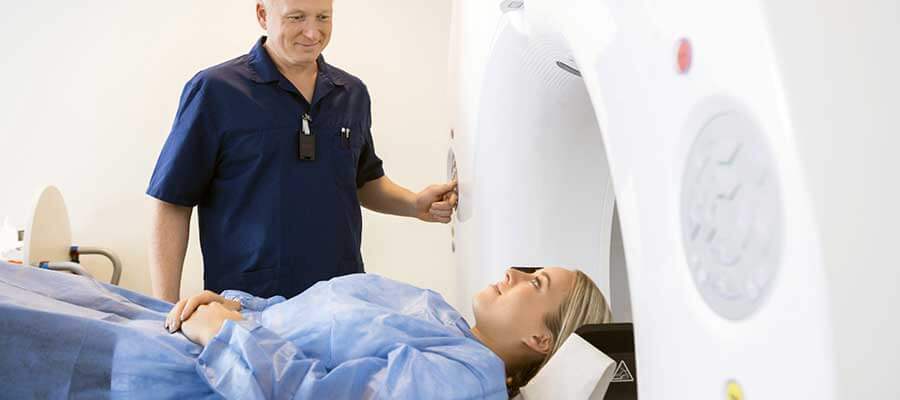
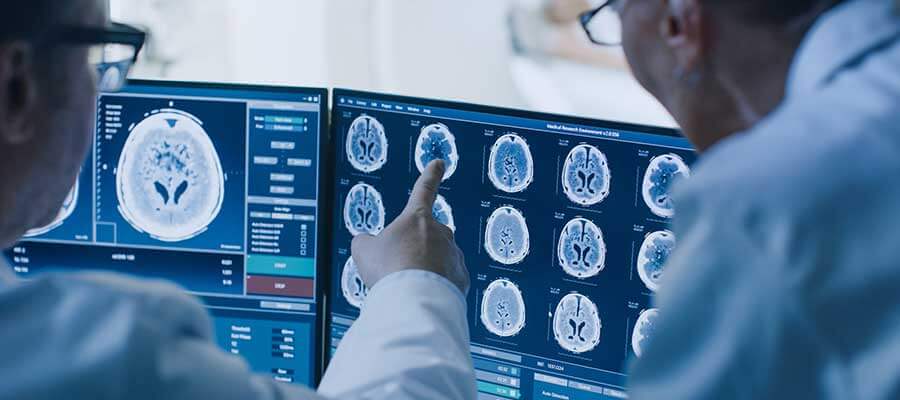
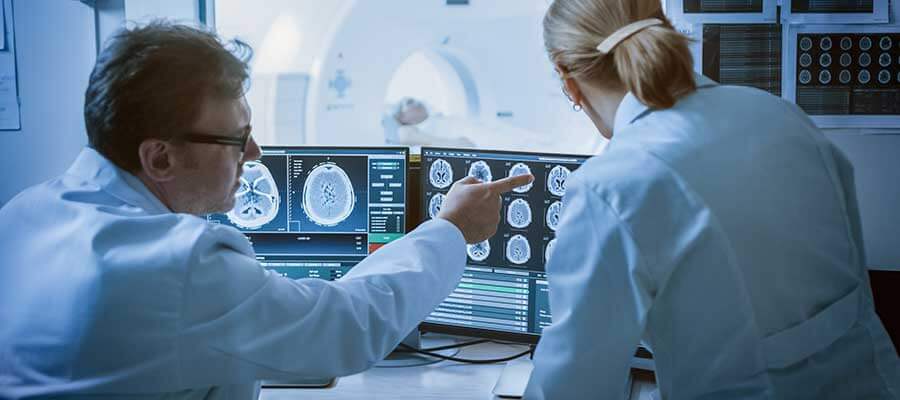
At its core, the role of an MRI technologist is to operate MRI scanners and produce high-quality images for physicians to use in diagnosing and treating patients. But while generating radiological images may be the central task, the responsibilities of technologists go far beyond pressing buttons on a machine.
Patient safety is one of their biggest duties. For example, if a patient has metal screws in their bones from a past fracture, those implants could be affected by the scanner’s powerful magnetic field. Without proper screening, the risk of injury is real. That’s why MRI technologists carefully evaluate each patient for implants, pacemakers, or other medical devices before starting a scan.
Technologists are also responsible for ensuring that scanners are properly calibrated and maintained. Regular quality checks are part of the job, and these inspections are critical for guaranteeing accurate results. A poorly maintained machine could produce unclear images, delay diagnoses, and compromise patient care.
Beyond safety and machine operation, technologists often play the role of communicator. They explain the procedure to patients, help them feel comfortable, and position them correctly in the scanner. Proper positioning is crucial—if a patient moves or is not aligned correctly, the images may be blurred, leading to repeat scans and unnecessary stress.
Why Pursue This Career?
The responsibilities of an MRI technologist may sound extensive, but the career comes with significant rewards. Compared to many other healthcare professions, technologists often enjoy more manageable schedules, work in comfortable environments, and have less exposure to contagious diseases. This balance of responsibility and lifestyle makes the role appealing for many people who want stability without the burnout that can come with other medical jobs.
And of course, the career pays well. MRI technologists consistently rank among the higher-earning imaging professionals, and the field is growing rapidly. As new hospitals and clinics are built across the U.S., MRI scanners are becoming standard equipment. Each new machine needs trained professionals to operate it, which means steady demand and long-term job security.
Some industry reports even suggest demand for MRI technologists could rise by as much as 20% in the coming years, reflecting both advances in imaging technology and the expansion of healthcare services. For students choosing a career path, this combination of strong salaries, job security, and professional satisfaction makes MRI technology an excellent option.
What You’ll Learn in MRI Programs
MRI programs aren’t just about learning how to push buttons on a scanner. They cover a wide range of topics, ensuring students are well-rounded and fully prepared for certification and practice.
-
Human Anatomy and Physiology: Understanding how the body works is essential for capturing accurate images and interpreting results.
-
Physics and MRI Principles: Students revisit concepts like magnetism and radio waves to understand how MRI technology functions at its core.
-
Patient Safety: Training emphasizes how to screen patients, prevent accidents, and respond to emergencies.
-
Clinical Practice: Hands-on training ensures students can put theory into action, working under the supervision of experienced technologists.
-
Patient Communication: Programs highlight the importance of explaining procedures clearly and supporting patients through the process.
At Pulse Radiology Institute, these elements are built into a structured, ARRT-accredited curriculum that balances online flexibility with real-world clinical training. Students graduate not just ready to sit for certification exams, but confident in their ability to handle the responsibilities of the role.
A Career with Long-Term Potential
When you think about career transitions, few offer the stability, pay, and personal satisfaction that MRI technology does. It’s not just about operating advanced machines—it’s about being part of a field that helps save lives and contributes directly to patient care.
Hospitals, imaging centers, and private clinics all rely on MRI technologists to deliver accurate results quickly and safely. As demand continues to grow, opportunities for advancement—into leadership, education, or specialization—will follow. For those just entering the field, this means not only a job today but a long-term career path with room to grow.
If you’re ready to begin your journey, Pulse Radiology Institute can help. Our accredited MRI programs combine online coursework with nationwide clinical training opportunities, ensuring students graduate with both knowledge and hands-on experience. With support at every stage—from study materials to mentorship—you’ll be fully prepared to earn your certification and step into the profession with confidence.
Your career in healthcare starts with the right education. Enroll in Pulse Radiology Institute’s MRI programs today and take the first step toward a secure, rewarding future in medical imaging.
Why Should You Consider Getting an MRI Associates in My Area?
COVID highlighted something many hospital HR personel already knew. There is a need for ARRT accredited MRI techs out there. Today is a great day to focused on a high paying, respected career in the healthcare industry as a Radiology technologist. And if you’re in search of an MRI Tech School in My Area offering MRI associate’s degree? We have something for you! Since day one Pulse Radiology has been the go-to for for those in the radiology industry seeking info MRI online review in My Area. Nowadays we are offering associate’s degree in MRI in My Area considering a career as an MRI technologist.
MRI Technicians are valuable: MRI technology is starting to become more commonplace, which suggests there are lots of need for people who learn how to make use of this technology. There are several job opportunities for MRI technicians, and in many areas, there aren’t enough competent individuals to fill those assignments. In the event that you end up getting started with these courses, you will find lots of incredible occupations. The most effective career fields are the type which can be seeing a lot of growth. This field is increasing rapidly, plus it shows no indications of slowing.