
MRI Associates Near Me

When searching for an MRI Tech School Near Me offering associate’s degree in MRI Technology you need to take Pulse Radiology Education into consideration. As of late the demand for qualified MRI Techs has exploded. The reality is that few saw COVID on the horizon. But regardless the need for demand for MRI & CT Techs was already outpacing the number of graduates entering the healthcare industry. One may think that a degree from University of Connecticut may be te path to follow as in the case of with companies in the tech industry. Not when it comes to MRI Techs. Nowadays employers are seeking for individuals that are ready to work with minimum or no training. That is why there is such high demand for our graduates.
As a national MRI Tech School providing online MRI, CT, and Mammography Structured Education, we can help you advance your career in the field of radiology from a radiologic technologist to an advanced certified technologist in 14 weeks. Also, know that at Pulse Education we provide ARRT-approved MRI, CT, and Mammography courses with clinical training in 30+ states nationwide and ASRT for 25+ Category A CE Credits. There has never been a better time to get your associate’s degree in MRI Technology and pursuit in a rewarding career with an average salary of $65k/year with Pulse Radiology Education an MRI Tech School Near Me. Since opening our doors we has been the go-to online school for CT & MRI Techs seeking MRI technologist training online. We have now extended those capabilities by offering MRI associates degree Near Me.
Blog Realted to MRI Associates Degree Near Me
4 Reasons to Earn Your Associate’s Degree in MRI
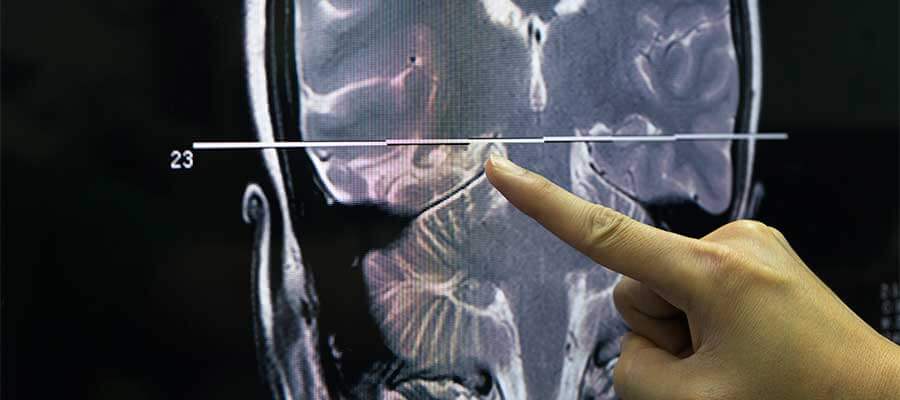
Why You Might Want an MRI Associate’s Degree
Imagine balancing a job, family obligations, or other daily responsibilities—then trying to go back to school with rigid schedules. That’s exactly the scenario many people face when considering their next career move. For those interested in becoming MRI technologists, earning an MRI associate’s degree online can make the difference between staying stuck and launching into a high-demand field without putting life on hold.
An associate’s degree in MRI technology doesn’t just check a box—it’s often required by clinics and healthcare facilities to even consider you for employment. More than that, it provides you with both the foundational knowledge and the hands-on clinical experience needed to succeed. With the right program, you’ll be trained to operate MRI machines, safely interact with patients, and understand the principles behind imaging.
What the Degree Offers and Why It Matters
Getting this degree means more than earning credits. It opens doors, builds confidence, and aligns your skills with what employers are looking for. There are several core benefits that make this path especially compelling for people who want flexibility and quality in their training.
First, online coursework lets you learn at your own pace. Whether you’re studying during lunch breaks, late in the evening, or early in the morning, online classes offer flexibility that in‐person schedules don’t. That means you can continue working or managing life’s demands while advancing toward your goal.
Second, clinical training is built into the program in a way that meets you where you live. Through Pulse Radiology Institute’s partnerships with over 100 clinics across the U.S., students can complete hands‐on externships nearby. This practical experience bridges the gap between theory and real work, giving you exposure to patient positioning, safety procedures, and machine operation under supervision.
Third, accreditation matters. When a degree comes from a recognized body—like ARMRIT—it means your credential carries weight. Employers trust accredited programs because they meet set industry standards. Your degree will be respected, your education considered valid for certification, and your skills taken seriously in the job market.
Lastly, the program offers features that support success beyond just earning the degree. Flexible scheduling, 24/7 access to course materials, and support systems in place make it easier to stay on track, even when life gets busy. These support structures are often what helps students push through when challenges come.
How This Path Sets You Up for a Rewarding Career
Deciding to earn an MRI associate’s degree online isn’t just about flexibility—it’s about entering a career field where opportunities are growing, and demand is high. Healthcare facilities, imaging centers, and clinics are expanding their MRI services, which means skilled MRI technologists are in demand in nearly every state.
Graduates coming from this type of program often find themselves well prepared for the challenges of the job. With strong training in safety, anatomy, equipment operation, and patient care, you’ll be among the technologists who employers feel confident hiring from Day One. The externships through recognized clinical partners help students gain real-life experience, build professional connections, and demonstrate their competency.
Moreover, job growth in MRI technology is expected to remain robust. As imaging technology advances and medical diagnosis increasingly relies on precise imaging, MRI technologists are becoming more essential than ever. With an accredited degree under your belt—and the right portfolio of clinical experience and soft skills—you’ll be positioned for roles that offer both responsibility and reward.
If you’re ready to take the first step, Pulse Radiology Institute offers an accredited online program combining virtual coursework with real clinical training, designed to help you balance life and education. Contact us to learn more and start building a career that offers flexibility, purpose, and growth.
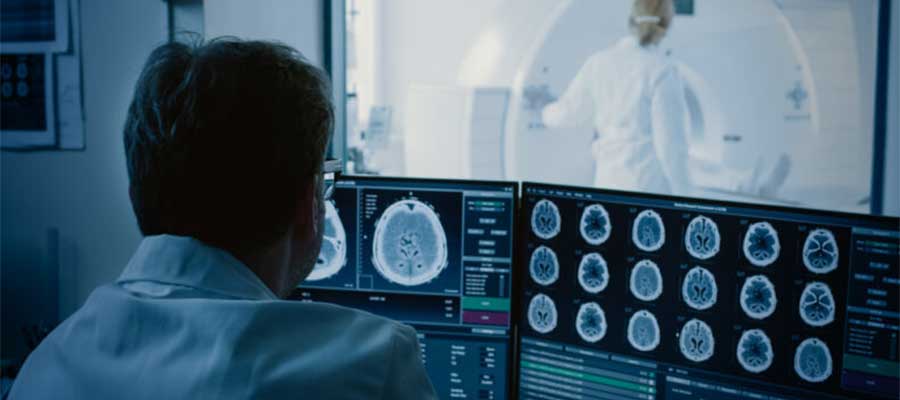
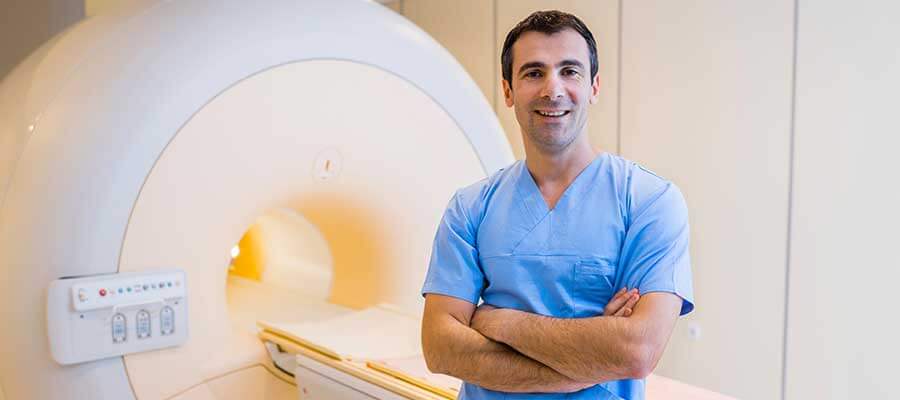

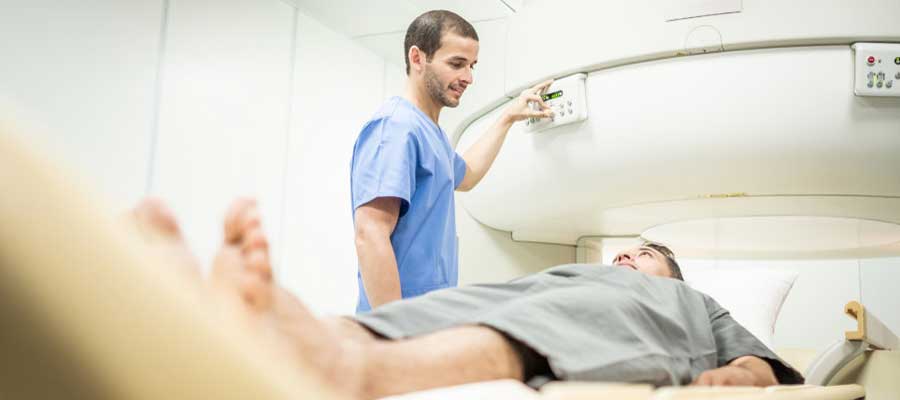
Why Should You Consider Going for MRI Associates Degree Near Me?
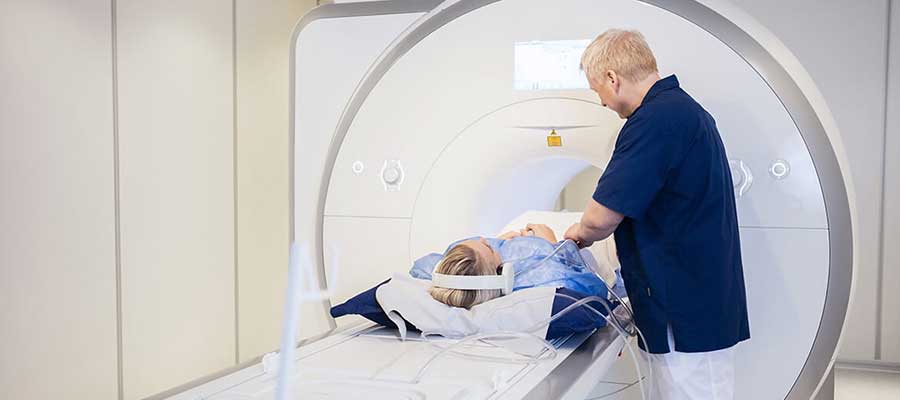
The pandemic highlighted something many hospitals already knew. There is a shortage of qualified MRI techs in the market. Now is the time to get started on a high paying, high demand career in the healthcare industry as a Mammography tech. And if you’re in search of an MRI Tech School Near Me offering MRI associate’s degree? You need to consider Pulse Radiology! Since launching Pulse Radiology Instituted has been the prefer for for those in the healthcare industry search for MRI online programs Near Me. Today we’re offering associate’s degree in MRI Technology Near Me trying to start a career as an MRI tech.
MRI Technicians are In high demand: MRI technology has become more conventional, which suggests there is a lot of requirement for people who understand how to take advantage of this technology. There are several job openings for MRI technicians, and also in many areas, there are not enough certified customers to fill those assignments. If you wind up subscribing to these courses, you will discover a lot of incredible opportunities. The ideal career fields are the types which are seeing lots of growth. This field is increasing fast, and yes, it shows no signs of decreasing.