

Short answer. Yes.
Longer answer. Yes, but it is more complicated than clicking through video lectures from your couch.
The academic portion of MRI training can happen entirely online. Physics. Anatomy. Safety protocols. Imaging theory. All of that translates well to digital learning. Watch lectures when you have time. Complete assignments on your schedule. Take assessments when ready.
But the hands-on portion? That requires showing up somewhere physical. No exceptions.
Marcus thought he could complete everything remotely. Online seemed so convenient. Then he discovered clinical hours are mandatory for certification. Real patients. Real scanners. He received supervision from licensed technologists.
Good thing he figured that out before enrolling in a program that left students scrambling to find their own clinical sites.
Snapshot: What Online MRI Programs Include
| Component | Format | Notes |
| Classroom learning | Fully online | Self-paced modules and video lectures |
| Physics and anatomy | Fully online | Interactive content and assessments |
| Safety training | Mostly online | Some simulation components |
| Clinical rotations | In person required | At imaging facilities near you |
| Certification prep | Fully online | Practice exams and review materials |
How Online MRI Programs Actually Work
The flexibility comes from separating theory from practice.
Everything conceptual happens digitally. Students log in when convenient. Watch recorded lectures. Read assigned materials. Complete quizzes that reinforce learning. Participate in discussion forums if the program includes them.
This part accommodates working adults beautifully. Study after the kids go to bed. Review modules during lunch breaks. Take practice exams on Saturday mornings.
Tanya kept her full-time job throughout her MRI program. She studied an average of eight to ten hours weekly. There were weeks when her workload increased due to the accumulation of assignments. At times when life became chaotic, she would study for fewer hours.
The online format let her maintain income while building new skills. That mattered enormously for her family budget.
Why Clinical Hours Cannot Be Skipped
Certification bodies require documented hands-on experience. Both ARRT and ARMRIT mandate supervised clinical training before candidates can sit for exams.
This is not arbitrary bureaucracy. MRI involves real patients with real medical needs. The machines cost millions of dollars and generate magnetic fields strong enough to cause serious harm if mishandled.
No certification pathway lets you skip directly from watching videos to working unsupervised. The clinical gap must be filled.
Quality programs partner with imaging facilities across the country. Students complete rotations near where they live. The school handles placement logistics rather than leaving students to cold call facilities and beg for training opportunities.
Derek chose his program specifically because of clinical support. His school connected him with an outpatient center twenty minutes from home. Derek underwent three months of supervised training. Real scans. Real patient interactions. He received genuine feedback from his preceptor.
That experience made him employable. The online coursework gave him knowledge. The clinical hours gave him skills.
What Clinical Rotations Involve
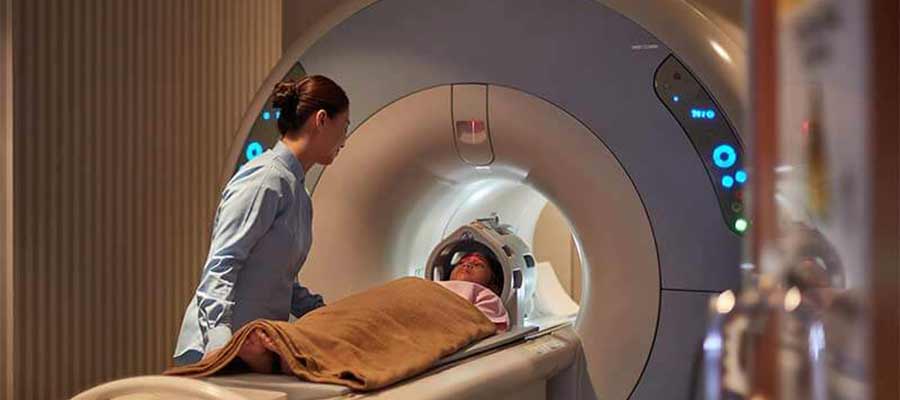
During rotations students work alongside licensed MRI technologists. Watching at first. Then gradually taking on responsibilities under supervision.
Patient positioning varies by scan type. Brain protocols differ from spine protocols. Shoulder imaging requires different approaches than cardiac studies. Students learn through repetition across many cases.
Safety screening becomes routine. Every patient gets evaluated for metal implants. Pacemakers. Surgical hardware. Foreign objects. Any object that could react negatively with magnetic fields should be avoided.
Communication skills develop naturally. Explaining procedures. Calming anxious patients. She also manages expectations when scans take longer than expected.
Carmen remembers struggling with claustrophobic patients initially. Her preceptor showed her techniques for keeping people comfortable. Breathing exercises. Distracting conversation. Strategic mirror positioning. There are effective strategies that are often overlooked in textbooks.
Choosing Programs With Placement Support
Not all online MRI programs handle clinical logistics equally.
Some maintain extensive partnerships with imaging facilities nationwide. Students complete paperwork, and the school handles coordination. Sites get vetted for quality. Preceptors meet standards. Everything runs smoothly.
Other programs tell students to figure it out themselves. Call facilities in your area. Convince them to take you on. Please manage all the administrative details yourself.
That second approach wastes enormous amounts of time and energy. Many students give up when facilities ignore their requests or demand fees the program never mentioned.
Ask direct questions before enrolling. How many clinical sites do you partner with? How far will I need to travel? What happens if placement falls through? Who handles the paperwork?
Vague answers suggest problems ahead.
Timeline Expectations
Program length varies based on pathway and prior experience.
Career changers with no healthcare background typically need eighteen to twenty-four months. That includes foundational coursework, MRI-specific training, and clinical hours.
Existing radiologic technologists can sometimes complete MRI credentials faster through postprimary pathways. They already have imaging experience and skip introductory material.
Study time averages eight to twelve hours weekly for most students. Some manage with less during lighter course loads. Others need more when material gets dense.
Clinical rotations require dedicated time blocks that cannot be squeezed into random spare moments. Plan for that when evaluating whether a program fits your schedule.
Certification After Graduation
Completing a program does not automatically make you certified. You still need to pass an exam.
ARRT and ARMRIT both offer MRI certification. Programs aligned with these pathways prepare students for specific exam content. Before the test, review materials and practice exams can help pinpoint weak areas.
Pass rates vary by program. Schools confident in their training often share these numbers publicly. Schools that hide statistics might have reasons for secrecy.
After certification, some states require additional licenses. Requirements change periodically, so check current rules where you plan to work.
Questions, People Ask
Can MRI training happen completely online?
Coursework can be fully online, but clinical hours require in-person attendance at imaging facilities. Both components are necessary for certification eligibility.
How long do online MRI programs take?
Most students complete training in twelve to twenty-four months depending on the pathway and prior healthcare experience.
Do online programs help find clinical placements?
Quality programs do. Always verify placement support before enrolling because handling this independently creates major delays.
Are online MRI credentials respected by employers?
Yes, if the program meets recognized accreditation standards and includes proper clinical training. Employers care about certification, not delivery format.
Which certification is better, ARRT or ARMRIT?
Both credentials are recognized nationally. ARRT is broader and covers multiple imaging modalities. ARMRIT focuses specifically on MRI. Either works for employment.
Starting Your MRI Journey
Online programs make MRI training accessible for working adults who cannot attend traditional classes. The flexibility is real. The opportunity is real. The career potential is real.
But choosing wisely matters. Accreditation. Clinical support. Certification preparation. These factors determine outcomes more than convenience or cost.
Pulse Radiology Institute offers online MRI training with nationwide clinical partnerships. Flexible coursework prepares students for certification, while clinical rotations build practical skills employers value.
Your path into medical imaging starts with finding the right program. Make research a priority.
Blog Articles Related to MRI Training Institute…

MRI Technician Schools Complete Guide
Explore this complete guide to MRI technician schools and what future technologists should expect. Accredited programs combine structured MRI coursework with clinical training and registry preparation. Choosing the right school is essential for certification eligibility and long-term career success.

Three Effective Tips to Boost Your MRI Tech Salary
Discover three effective tips to boost your MRI technologist salary and advance your career. From earning advanced MRI certifications to gaining clinical experience and pursuing specialized training, strategic steps can increase earning potential. Investing in accredited MRI education helps position technologists for higher-paying opportunities nationwide.

Four States with the Highest MRI Technologist Salaries
Explore four states with the highest MRI technologist salaries and growing demand for imaging professionals. Salary levels often reflect regional healthcare needs, certification standards, and clinical experience. Completing accredited MRI training helps technologists qualify for competitive positions across the country.
How to Become a Magnetic Resonance Imaging Technologist
Learn how to become a magnetic resonance imaging technologist through accredited education and certification. MRI training programs combine didactic instruction with hands-on clinical experience. Completing an approved program prepares students for ARRT or ARMRIT credentialing and career entry.
More Info Related to MRI Instruction Session Near Me!
