
The short answer is yes. The longer answer involves some important caveats.
Online MRI programs exist and work well for thousands of students every year. The academic portion translates beautifully to digital learning. Physics lectures. Anatomy modules. Safety protocols. Imaging theory. All of it can be absorbed through video lessons and interactive coursework.
But here is the catch. Clinical training cannot happen through a screen.
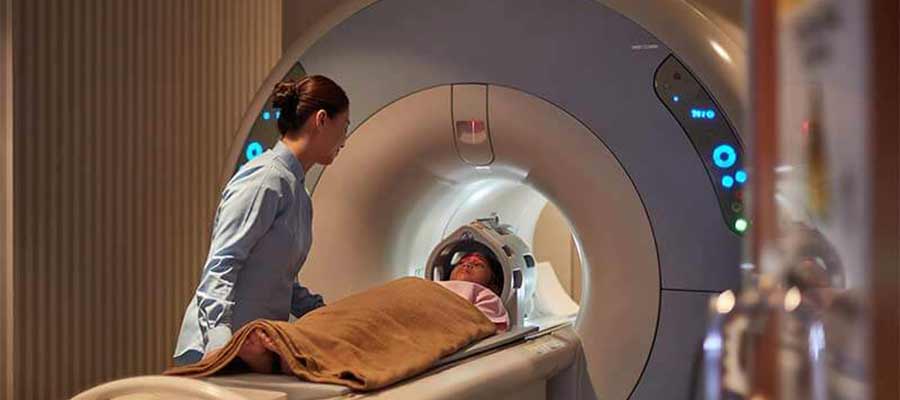
At some point, you have to stand next to an actual MRI scanner with an actual patient lying inside it. That part requires physical presence at an imaging facility. No workaround exists because certification bodies mandate supervised hands-on experience.
Jessica discovered this reality when researching programs. She wanted everything online. She thought she could complete MRI training without leaving her house. Then she learned about clinical hour requirements and adjusted her expectations.
Still mostly online. Just not entirely.
Snapshot: What Online MRI School Involves
| Learning Component | Delivery Method | Time Commitment |
| MRI physics | Online modules | Self-paced |
| Cross-sectional anatomy | Online with interactive content | Self-paced |
| Patient care principles | Online coursework | Self-paced |
| Safety and screening | Online plus simulation | Self-paced |
| Clinical rotations | In person required | Scheduled blocks |
| Certification prep | Online practice exams | Self-paced |
Why Online Works for MRI Education
The technical knowledge required for MRI technology lends itself well to digital delivery. Complex concepts benefit from video explanations that students can pause, rewind, and replay until understanding clicks.
Physics stumps many students initially. Magnetic resonance is genuinely complicated science. Being able to watch explanations multiple times helps struggling learners catch up without slowing down their peers.
Anatomy modules include detailed imaging examples. Students learn to identify structures on actual scans rather than textbook drawings. Interactive content reinforces recognition through repetition.
Tyler appreciated this flexibility during his program. Some concepts took him three viewings to grasp. Others clicked immediately. He controlled the pace rather than sitting in a lecture hall hoping to keep up.
That self-direction suits adult learners particularly well.
The Clinical Component
You cannot skip this part. Period.
ARRT and ARMRIT both require documented clinical experience before allowing candidates to sit for certification exams. Programs that claim otherwise are either lying or preparing students for credentials nobody recognizes.
During clinical rotations, students work at imaging facilities under supervision. Real patients. Real equipment. Real responsibility to perform correctly.
Carmen completed her clinical hours at an outpatient center near her apartment. Three days weekly for several months. She practiced patient positioning. Learned protocol selection for different body parts. Got comfortable operating scanner interfaces.
By the time she finished clinical training, she had handled hundreds of scans across multiple case types. That volume built genuine competence rather than theoretical understanding.
How Programs Handle Clinical Placement
This is where program quality becomes obvious.
Good programs maintain partnerships with imaging facilities across the country. They coordinate placements for students. Handle paperwork and agreements. Ensure sites meet quality standards. Connect learners with qualified preceptors.
Poor programs tell students to figure it out independently. Call facilities yourself. Convince them to train you. Manage all logistics personally.
That second approach wastes enormous time and energy. Many facilities ignore cold requests from unknown students. The ones that respond sometimes expect fees or have no structured training process.
Derek chose his program specifically because of clinical support. His school connected him with a hospital imaging department thirty minutes from home. Everything was arranged before he finished coursework. No scrambling or begging required.
Balancing Work and School
Many students pursue MRI training while maintaining jobs. Online delivery makes this possible.
Study happens when the schedule allows. Watch lectures after work. Complete assignments on weekends. Take practice exams during lunch breaks. The content is always available.
Rosa kept her retail position throughout her program. She studied after her kids went to bed most evenings. Averaged maybe ten hours weekly depending on coursework load.
Clinical rotations required more rigid scheduling. She had to negotiate time off work for those blocks. But the online portion provided total flexibility.
That balance let her maintain income while building new skills. Quitting her job to attend classes was never financially possible.
Timeline Expectations
Program length varies based on pathway and prior experience.
Students new to healthcare typically need eighteen to twenty-four months. This includes foundational education, MRI-specific coursework, and clinical training.
Existing radiologic technologists can sometimes complete MRI credentials faster. They already have an imaging background and skip introductory content.
Clinical hour requirements affect timelines significantly. Facilities have limited capacity for training students. Scheduling rotations sometimes takes longer than expected.
Jessica finished her program in sixteen months by studying aggressively and getting clinical placement quickly. Derek needed twenty-two months because his site had limited availability. Both earned the same credential.
What Employers Actually Care About
Hiring managers want certified technologists who can perform the job competently.
They do not care whether you learned physics in a lecture hall or on your laptop. The credential matters. The clinical experience matters. The delivery format of academic content does not.
Online graduates compete equally with traditional program graduates when credentials match. Some online programs actually produce better-prepared technologists because flexible pacing lets students master material rather than rushing through.
The employment market cares about results, not methods.
Questions People Ask
Can MRI certification be earned entirely online?
Coursework can be completed online, but clinical training requires in-person attendance at imaging facilities. Both components are necessary for certification eligibility.
How long does online MRI school take?
Most students finish in twelve to twenty-four months depending on prior healthcare experience and clinical placement timing.
Is online MRI training respected by employers?
Yes, when the program meets accreditation standards and includes proper clinical requirements. Employers focus on certification, not delivery format.
Can I work while completing an online MRI program?
Many students maintain employment throughout training. Online flexibility accommodates work schedules. Clinical rotations require dedicated time blocks but can often be arranged around jobs.
Do online programs help with finding clinical sites?
Quality programs do. Always confirm clinical placement support before enrolling because handling this independently creates significant challenges.
Your Path Forward
Online MRI school provides flexibility that traditional programs cannot match. Working adults benefit enormously from controlling their study schedules while meeting clinical requirements at facilities near home.
Choosing the right program matters. Accreditation ensures credentials employers recognize. Clinical partnerships ensure training happens without unnecessary delays. Instructor support ensures help exists when concepts get confusing.
Pulse Radiology Institute offers online MRI training designed for working adults. Flexible coursework combines with clinical coordination to prepare graduates for certification and employment.
Your healthcare career can start online. Make sure the program finishes you properly.
Articles Related to MRI Accreditation…


Is There a Shortage of MRI Technologists
Learn whether there is a shortage of MRI technologists and how demand impacts career opportunities. Healthcare facilities across the country continue to seek certified imaging professionals. Completing accredited MRI training helps graduates qualify for in-demand positions nationwide.

Comparing X-Ray Tech vs MRI Tech Salaries
Explore the differences between X-ray tech and MRI tech salaries across the healthcare industry. Compensation often varies based on certification, specialization, and clinical experience. Completing accredited MRI training can position technologists for higher earning potential and expanded career opportunities.

Three Effective Tips to Boost Your MRI Tech Salary
Discover three effective tips to boost your MRI technologist salary and advance your career. From earning advanced MRI certifications to gaining clinical experience and pursuing specialized training, strategic steps can increase earning potential. Investing in accredited MRI education helps position technologists for higher-paying opportunities nationwide.

Four Reasons to Earn Your Associate’s Degree in MRI
Learn four compelling reasons to earn your Associate's Degree in MRI and strengthen your career path. An associate degree builds foundational imaging knowledge, clinical skills, and certification readiness. Completing an accredited MRI program prepares graduates for ARRT or ARMRIT credentialing and long-term career growth.
Links Related to MRI Student Dashboard in my Area!