
The school you pick determines more than you think.
Same career goal. Same certification exam. But wildly different outcomes depending on where you train. Some programs launch graduates into employment within weeks. Others leave students scrambling to finish clinical requirements that should have been handled months earlier.
Marcus learned this the hard way. His first program looked legitimate online. Nice website. Professional marketing. Reasonable tuition. But six months in, he discovered they had no clinical partnerships within two hundred miles of his home.
He transferred. Lost time and money. Started over somewhere that actually delivered what they promised.
Snapshot: What to Evaluate in MRI Tech Schools
| Factor | Why It Matters | Questions to Ask |
| Accreditation | Determines certification eligibility | Which pathway does graduation unlock |
| Clinical support | Required for hands-on training | How many partner sites exist |
| Schedule flexibility | Affects ability to work while studying | Are courses asynchronous |
| Certification prep | Impacts exam pass rates | What review materials are included |
| Student support | Helps struggling learners succeed | How do students access help |
Understanding What MRI Technologists Do
Before choosing a school, understand the job you are training for.
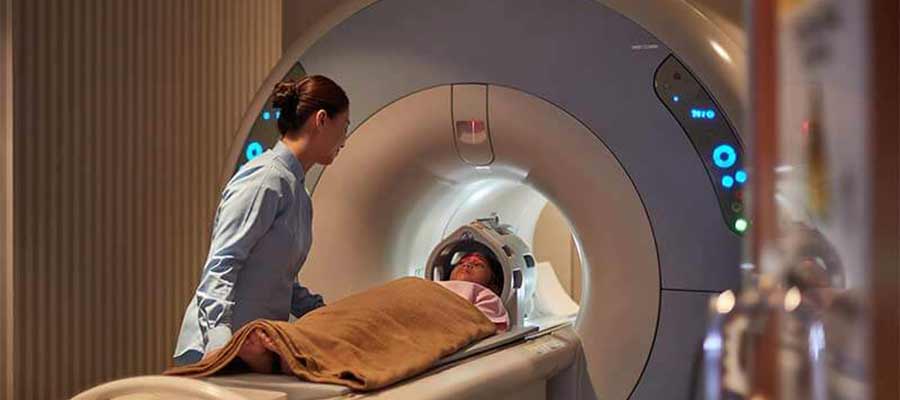
MRI technologists operate complex imaging equipment. They position patients correctly for different scan types. Ensure safety protocols are followed around powerful magnets. Communicate with radiologists about image quality. Work with anxious patients who need reassurance.
The role blends technical skills with patient care. People who enjoy both technology and human interaction often thrive.
Rosa knew she wanted healthcare but not bedside nursing. Too much bodily fluid. Too much emotional intensity during emergencies. MRI offered a middle ground. Patient contact without the chaos of emergency rooms.
Accreditation Is Not Negotiable
This is the single most important factor. Nothing else matters if accreditation is missing.
Programs aligned with ARRT pathways allow graduates to sit for certification exams. Programs without proper accreditation might teach you things, but employers will not care because you cannot get credentialed.
Derek verified accreditation status before applying anywhere. He called admissions offices directly. Asked for documentation. Requested specifics about which certification pathways graduation unlocked.
Some schools answered clearly and confidently. Others got defensive or vague. The vague ones got crossed off his list immediately.
Employers check credentials before resumes. Make sure yours will pass inspection.
Clinical Training Separates Good Programs From Mediocre Ones
Online lectures teach concepts. Clinical rotations teach the actual job.
You cannot become a certified MRI technologist without supervised hands-on experience. The hours are mandatory. The cases must be documented. There is no shortcut around this requirement.
Quality programs maintain partnerships with imaging facilities across the country. Students complete rotations near where they live rather than relocating for training.
Tanya completed her clinical hours at an outpatient center twenty-five minutes from her apartment. Her program arranged everything. She just showed up and learned.
Compare that to students at programs with no clinical support. They cold call facilities. Beg for training opportunities. Handle all paperwork themselves. Many give up when doors keep closing.
Online Versus Traditional Programs
Both formats prepare students for the same certification exams. The difference is delivery, not destination.
Traditional campus programs work well for some students. In-person lectures. Structured schedules. Built-in accountability. Immediate access to instructors during class.
But campus programs demand daytime attendance. That conflicts with work for most adults. Commuting adds time and expense. Flexibility disappears.
Online programs reverse those trade-offs. Study when your schedule allows. Watch lectures at two in the morning if that is when your brain works best. Keep your job while building new skills.
Carmen chose online specifically because she could not quit working. She studied after her kids went to bed. Watched modules during lunch breaks. Completed assignments on weekends when her husband handled household duties.
The flexibility let her maintain income while changing careers. Without it, she would have had to choose between education and paying rent.
What Drives Program Quality
Several factors separate excellent programs from adequate ones.
Faculty experience matters. Instructors who currently work as technologists offer different insights than academics who have not scanned patients in years. Real-world perspective shapes better training.
Clinical site availability affects timelines. Programs with extensive partnerships place students faster. Limited partnerships create waitlists that delay graduation.
Certification prep resources impact exam performance. Practice tests. Review modules. Strategy guidance. Schools that invest in these materials produce higher pass rates.
Student support helps struggling learners persist. Tutoring access. Instructor availability. Academic advising. The help exists when concepts get confusing.
Questions to Ask Before Enrolling
Get specific answers before committing money and time.
Is your program accredited, and for which certification pathway? Vague answers suggest problems.
How many clinical sites do you partner with, and where are they located? Low numbers mean placement delays.
What percentage of students pass certification exams on the first attempt? Schools confident in outcomes share these numbers.
How do students access help when they struggle with material? Programs that care about completion provide support.
What is the total cost, including clinical placement fees? Hidden charges appear after enrollment at some schools.
Derek asked all these questions during his research. The programs that answered clearly made his shortlist. The ones that dodged or delayed got eliminated.
Comparing MRI to Related Careers
MRI technologists generally earn more than radiologic technologists and CT technologists. The training is more specialized. The equipment is more complex. The safety requirements are stricter.
Within diagnostic imaging, MRI represents one of the higher-paying modalities with strong job growth projections. Demand for advanced imaging continues rising as populations age and diagnostic capabilities expand.
Questions People Ask
How long does MRI tech school take?
Most programs run sixteen to twenty-four months depending on the pathway and clinical scheduling.
Is prior healthcare experience required?
No. Many programs accept students with no medical background.
Does certification matter for employment?
Significantly. Most employers require or strongly prefer ARRT-certified technologists.
Can clinical rotations be completed anywhere?
Only at facilities with program partnerships. Confirm placement availability in your area before enrolling.
Are MRI jobs growing?
Yes. Outpatient imaging expansion and population aging continue driving demand for qualified technologists.
Making Your Decision
The right school exists. Finding it requires asking questions and verifying answers.
Accreditation unlocks certification. Clinical partnerships enable training. Flexible scheduling accommodates work. Support systems help students succeed. All four matter.
Pulse Radiology Institute offers accredited online MRI training with nationwide clinical partnerships. Flexible coursework prepares students for certification while hands-on rotations build practical skills.
Your MRI career starts with choosing wisely. Research now saves frustration later.
Articles Related to MRI Hospital Training…


Top Tips to Get Accepted into MRI Tech School
Discover top tips to get accepted into MRI tech school and strengthen your application. Meeting prerequisite requirements, maintaining strong academic performance, and understanding program expectations improve admission success. Choosing an accredited MRI program sets the foundation for certification and career advancement.

Different Degrees Available at an MRI Tech School
Discover the different degrees available at an MRI tech school and how they support certification goals. Options may include associate degrees and advanced certificate programs in magnetic resonance imaging. Accredited education ensures proper clinical preparation and registry exam readiness.

How Certification and Training Boost MRI Technologist Salary
Discover how certification and advanced training can boost MRI technologist salary potential. Credentials such as ARRT or ARMRIT demonstrate professional competency and specialization. Accredited MRI education helps technologists qualify for higher-paying roles nationwide.

Understanding Radiologic Technologist Salaries
Learn what influences radiologic technologist salaries and how specialization impacts earning potential. Compensation varies based on certification, experience, and geographic location. Advanced training in MRI can help technologists increase income and expand career opportunities.
Links Related to MRI Training School Near Me.
