

Want a career in healthcare that does not involve bedside nursing or years of medical school? MRI technology might be exactly what you are looking for.
Let me tell you about Ramon. Guy spent eight years working warehouse jobs before deciding he wanted something different. Something with stability. Something where he could actually help people. He looked into nursing, but the idea of twelve-hour shifts dealing with bodily fluids did not appeal to him.
Then he discovered MRI technology.
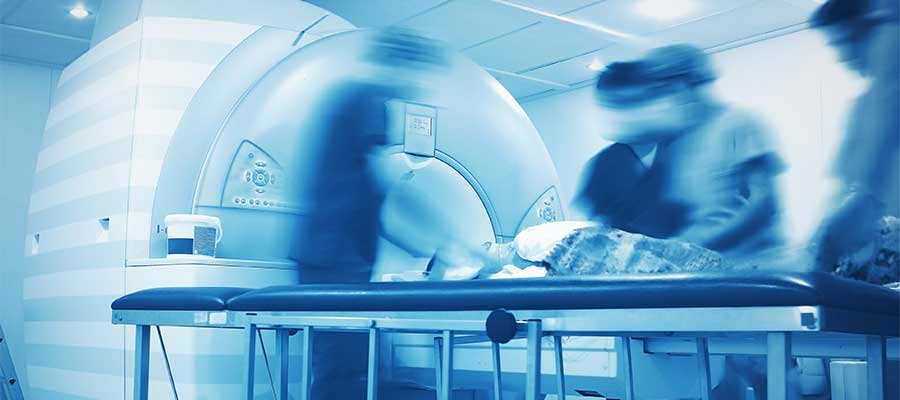
Eighteen months later, Ramon was working at an outpatient imaging center, making more than he ever did in logistics. No blood. No overnight shifts. Just him and the scanner helping doctors figure out what is going on inside their patients.
Here is why an associate’s degree in MRI makes sense for people like Ramon. And maybe for you too.
Snapshot: What an Associate’s Degree in MRI Offers
- Flexible online coursework that fits around your existing job and responsibilities
- Hands-on clinical training at imaging facilities near where you live
- Accredited credentials that hospitals and employers actually trust
- Built-in support systems designed for adult learners returning to school
- Clear pathway to certification and stable healthcare employment
Flexibility That Actually Works
Traditional college programs assume you have nothing else going on in your life. Show up at nine in the morning. Sit in a lecture hall for three hours. Come back tomorrow and do it again.
That works great if you are eighteen with no responsibilities.
It does not work if you are thirty-two with a job and kids.
Tanya figured this out when she started researching MRI programs. Single mom. Full-time job at a call center. No way she could quit working to sit in classrooms during business hours.
Online coursework changed everything for her.
She studied after her daughter went to bed. Watched lectures during lunch breaks. Reviewed material on weekends when her mom took the kids.
The flexibility meant she could keep paying rent while building a new career. That matters more than people realize.
Hands-On Training Where You Live
Here is what surprises most people about online MRI programs. You still get real clinical experience.
The classroom stuff happens online. But the actual scanner time happens at imaging centers near where you live.
Marcus lives in a mid-sized city in Ohio. His program partnered with three different imaging facilities within thirty minutes of his apartment. He completed his clinical hours without ever relocating or commuting across the state.
During those rotations he learned patient positioning. Imaging sequences. How to talk to someone who is anxious about being in a tight space. Safety protocols that keep everyone protected around powerful magnets.
Books teach you concepts. Clinical rotations teach you the job.
Accreditation Opens Doors
Not all MRI programs are created equal. Some are legitimate pathways to certification and employment. Others are expensive certificates that employers ignore.
Accreditation is the difference.
When a program meets standards set by organizations like the American Registry of Magnetic Resonance Imaging Technologists, the credential actually means something. Hospitals trust it. Outpatient centers trust it. Hiring managers see it on your resume and know you received proper training.
Lisa almost enrolled in a cheap online certificate program before doing more research. Three months of videos and a piece of paper for two thousand dollars. It sounded appealing until she realized no reputable employer would hire her with that credential.
She found an accredited associate’s program instead. Took longer. Cost more. But when she graduated, she had job offers waiting.
The shortcut would have wasted her time and money. The real program launched her career.
Support When You Need It
Going back to school as an adult is intimidating. Most people have been out of classrooms for years. Maybe decades. The fear of failing or falling behind stops a lot of potential students before they even start.
Good programs build support into the experience.
You have twenty-four-seven access to learning materials, allowing you to review at three in the morning if that is when your brain works best. Instructors who actually respond when you have questions. Flexible scheduling that accommodates the chaos of real life.
Ramon struggled with the physics portion of his coursework. Magnetic resonance imaging involves some complicated science. His instructor spent extra time walking him through concepts until they clicked.
That kind of support makes the difference between someone who graduates and someone who drops out after six weeks.
What Happens After You Graduate
Associate degree holders in MRI technology work in all kinds of settings.
Hospitals with busy imaging departments. Outpatient centers focused on orthopedic injuries. Neurology practices diagnosing conditions affecting the brain and spine. Mobile imaging units that travel between smaller clinics.
The work is steady. Imaging technology keeps advancing, which means more procedures require MRI scans. Now, a forty-five-minute scan can diagnose conditions that previously required exploratory surgery.
That trend is not reversing anytime soon.
Tanya landed a position at a hospital three weeks after passing her certification exam. Starting salary was higher than what she made after seven years at the call center. Benefits included health insurance and retirement contributions.
Not bad for eighteen months of school.
Associate’s Degree Versus Certificate Programs
Some people wonder if a certificate program might be enough. Shorter timeline. Lower cost. Gets you working faster.
Here is the reality.
Certificate programs teach basic skills but often lack the depth employers want. Many facilities specifically require associate degrees for their MRI positions. Even when they do not, the candidates with more complete training usually win the job.
An associate’s degree also positions you better for advancement. Want to move into management someday? Further education? The associate gives you a foundation to build on.
Marcus started as a staff technologist. Two years later he was training new hires because his background was more comprehensive than techs who came through certificate programs.
The Path Forward
Step one is finding an accredited program that fits your schedule and circumstances.
Step two is completing the coursework. Anatomy. Pathology. Imaging physics. Patient care principles.
Step three is clinical rotations. This is where everything comes together.
Step four is certification. Most employers expect it even when it’s not technically required.
Step five is employment. Hospitals and imaging centers hire regularly because turnover happens and demand keeps growing.
Step six is continuing education. Medical imaging evolves constantly. Staying current protects your career.
Questions People Ask
How long does an associate’s degree in MRI take?
Most programs run eighteen to twenty-four months, depending on how clinical schedules line up.
Do I need certification to work as an MRI technologist?
Technical requirements vary by employer. Practically almost everyone wants certified techs because it demonstrates competence and professionalism.
Is MRI technology physically demanding?
You help patients onto tables and position them correctly. Some lifting is involved, but nothing like nursing or physical therapy roles.
Can I keep my current job while completing the program?
Online coursework makes this possible for most students. Clinical hours require scheduling coordination, but many facilities offer flexible rotation times.
Will clinical training be available near me?
Quality programs partner with imaging centers nationwide. Most students complete rotations within reasonable driving distance of home.
Starting Your MRI Career
The healthcare field needs qualified imaging professionals. MRI technology offers stable employment and competitive compensation without requiring a four-year degree or the intensity of bedside patient care.
Pulse Radiology Institute provides accredited online MRI associate programs designed for working adults. Flexible coursework combined with local clinical training prepares graduates for certification and employment.
Your next chapter is waiting. Time to write it.
Blog Posts Related to Radiology Institute…

Is Pulse Radiology Institute ARRT Certified
Learn whether Pulse Radiology Institute meets ARRT certification requirements for MRI training. Accredited programs provide structured coursework and clinical education aligned with registry eligibility standards. Choosing a program that supports ARRT pathways is essential for long-term career advancement.

What Are the Radiologic Technologist Requirements
Learn the requirements to become a radiologic technologist and pursue advanced imaging specialties. Education, clinical training, and certification are key components of professional eligibility. Accredited programs help students meet credentialing standards nationwide.

How Certification and Training Boost MRI Technologist Salary
Discover how certification and advanced training can boost MRI technologist salary potential. Credentials such as ARRT or ARMRIT demonstrate professional competency and specialization. Accredited MRI education helps technologists qualify for higher-paying roles nationwide.

What Makes the Best MRI Online Programs
Explore what makes the best MRI online programs stand out for aspiring technologists. Top programs offer accredited coursework, clinical placement support, and ARRT or ARMRIT exam preparation. Choosing a reputable MRI school helps ensure certification readiness and long-term career growth.
More Info Related to MRI Student Success in my Area!
