
MRI Technologist Program Rapid City, SD
Thinking about MRI training Rapid City, SD? PRI offers a structured MRI education pathway for students who want a focused future in magnetic resonance imaging. Speak with admissions today and learn how to get started.
MRI Technologist Training Rapid City, SD for Students Ready for a Focused Healthcare Path
For students comparing MRI technologist training options Rapid City, SD, the goal is usually to find a program that teaches the actual skills, safety habits, and clinical thinking used in the MRI field. Magnetic resonance imaging requires students to understand both the science behind the scan and the patient-centered responsibilities that happen before, during, and after an exam. A trained MRI technologist must understand equipment operation, patient communication, safety screening, positioning, imaging protocols, and the importance of producing clear diagnostic images. For motivated students who want something more technical than a general healthcare track, MRI technologist training can be a strong fit because the field depends on accuracy, safety, and consistent attention to detail.
Pulse Radiology Institute structures its MRI education around the real work MRI technologists are expected to perform in clinical imaging environments. Students are introduced to important areas such as MRI physics, cross-sectional anatomy, patient care, imaging procedures, scanner operation, safety practices, and clinical workflow. Instead of treating MRI as a small portion of a broader healthcare curriculum, PRI places MRI training at the center of the student experience. For students in Rapid City, SD, that focused structure can make a difference because the purpose is not just to finish assignments, it is to prepare for imaging environments such as hospitals, outpatient centers, orthopedic offices, specialty clinics, and radiology departments.
The MRI Tech Program Rapid City, SD gives students a structured path that combines online learning, faculty guidance, MRI simulation, and supervised clinical externship preparation. This gives students a path that begins with foundational knowledge and gradually moves toward applied imaging practice. Students can work through important program material online while also building familiarity with MRI scanning logic before stepping into a supervised clinical environment. For students near Rapid City, SD, this model can make MRI education easier to access while still keeping the expectations serious, structured, and career-focused.
This program is a strong fit for students who want MRI to be the center of their education instead of one small subject inside a larger medical training track. Students learn why MRI safety matters, how imaging protocols support diagnostic quality, how patient positioning affects image results, and why technologists must understand both the human and technical sides of the exam. Students who value structure, accuracy, patient interaction, and technical responsibility may find MRI technologist training to be a strong career direction.
How PRI Supports MRI Career Preparation for Students in Rapid City, SD
Students need more than definitions and textbook concepts when they are preparing for a specialized diagnostic imaging career. They need a program that introduces scanner operation, patient preparation, safety procedures, department workflow, image quality, and the professional behavior expected in clinical settings. Pulse Radiology Institute supports that process by combining academic coursework with MRI-focused simulation and clinical externship preparation. That layered approach matters because MRI technologists work in an environment where safety, patient limitations, physician instructions, scan protocols, and image quality all have to be considered carefully.
For students researching MRI technologist schools Rapid City, SD, online coursework can make the program more accessible without removing the need for discipline and engagement. With online instruction, students can complete lectures, assignments, discussions, and course requirements through a structured learning platform instead of attending every class session on campus. Even with online access, MRI training still requires consistency, time management, and serious study habits. Students must stay engaged, complete assignments, communicate with faculty, and take the academic side of the program seriously. PRI offers a flexible learning model, but the program remains a serious pathway into a specialized healthcare field.
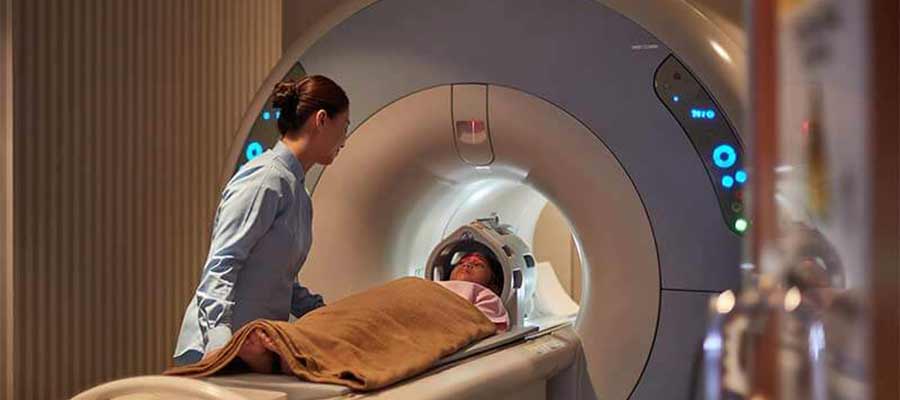
One of the strongest parts of PRI’s MRI training model is the use of simulation to help students understand scanning concepts before they enter a live clinical setting. Through simulation-based learning, students can begin working through positioning concepts, protocol selection, scanner controls, and anatomy-specific imaging workflows in a more guided environment. The simulation lab gives students a bridge between academic instruction and the realities of patient-facing imaging work. That connection matters because students are not only trying to pass courses, they are preparing for the practical expectations of the MRI technologist role.
Clinical externship experience is also a major part of MRI career preparation. Clinical exposure helps students see how MRI safety, patient care, scheduling, communication, positioning, image quality, and department workflow come together during the workday. PRI’s MRI program includes supervised clinical externship hours so students can gain real-world exposure before moving forward professionally. In MRI, clinical readiness depends on more than academic knowledge because technologists must also show judgment, consistency, patient awareness, and respect for imaging safety standards.
The goal of the MRI Technologist Program Rapid City, SD is to help students prepare for a specialized role in medical imaging through a pathway that is focused, structured, and career-oriented. Students who are ready to pursue MRI training should speak with the admissions team at Pulse Radiology Institute to review program expectations, enrollment steps, technology requirements, clinical training details, and the best path forward. For motivated students, MRI training can become the first serious step toward working in one of the most technology-driven areas of medical imaging.
How the MRI Technologist Program Rapid City, SD Helps Students Prepare for Diagnostic Imaging
Choosing an MRI Technologist Program Rapid City, SD should involve more than picking the first school that appears in search results. Students also need to understand the kind of learning environment, schedule, expectations, and career preparation behind the program. Magnetic resonance imaging requires students to learn the technical side of scanning while also understanding patient care, safety screening, positioning, and department workflow. Pulse Radiology Institute offers a focused MRI pathway designed to connect academic learning with the practical thinking used inside diagnostic imaging environments.
The MRI Technologist Program Rapid City, SD is built for students who want magnetic resonance imaging to be the center of their healthcare education. That focus matters because MRI is a specialized imaging profession, not just a general healthcare support position. The role requires an understanding of powerful imaging technology, patient safety procedures, anatomy-based protocols, positioning routines, and the expectations of ordered diagnostic exams. A student who enters this field needs to understand the patient side of the work, but also the technical side of producing useful images. PRI’s MRI-centered structure helps students stay focused on the skills and knowledge connected to this specific imaging profession.
Students enrolled in the MRI Technologist Program Rapid City, SD can expect a layered training model that includes online coursework, MRI simulation, and supervised clinical externship preparation. The online coursework format allows students to access lectures, assignments, discussions, and course material through a structured platform, which can help make the academic portion more manageable. At the same time, this is still a professional healthcare education pathway and should not be treated casually. Students need to keep up with lectures, assignments, exams, communication, and program requirements because diagnostic imaging is a field where consistency and discipline matter.
The MRI simulation portion gives students an opportunity to become more familiar with scanning concepts before they move into supervised clinical environments. This matters because MRI can be difficult to fully understand through reading alone. Simulation-based learning can help students understand how protocols, positioning, image planning, anatomy, and scanner controls relate to one another. This can give students a stronger framework for what they may later observe, discuss, and practice during supervised clinical training. For students looking for an MRI Tech Program Rapid City, SD, that kind of preparation can make the program feel more connected to the real job.
Clinical externship is where students begin connecting their education to professional imaging environments. In a clinical setting, students can observe patient flow, safety screening, department communication, positioning routines, technologist responsibilities, and the pace of diagnostic imaging work. Clinical experience is important because students need to see how MRI safety, patient care, scan preparation, image quality, and professional behavior come together in practice. The classroom builds the foundation, while clinical externship helps students understand how that foundation supports day-to-day MRI work.
Why Students Choose MRI Technologist Training Rapid City, SD
MRI training often appeals to students who want a defined skill set, a patient-facing role, and a career path connected to advanced medical technology. Some students naturally look at nursing, medical assisting, or broader healthcare programs, while others prefer a path that is more technical, visual, and imaging-centered. MRI sits directly at that intersection of patient care, technology, anatomy, and diagnostic medicine. It allows students to work in patient care while also learning advanced imaging concepts, anatomy, safety procedures, and equipment operation. Students who want a specialized healthcare role may find MRI training more aligned with their goals because the program is tied to a specific professional environment.
The work of an MRI technologist matters because image quality, patient preparation, and proper protocol selection can all influence the usefulness of the study. MRI technology is advanced, but the technologist’s role is not simply to press buttons or run equipment. Technologists need to prepare patients properly, explain procedures clearly, follow screening protocols, position patients correctly, monitor patient comfort, and understand how imaging quality affects the usefulness of the exam. This is why students should look for MRI training that respects both sides of the career, including the scanner-based responsibilities and the patient-facing responsibilities.
Students near Rapid City, SD may be deciding between MRI training and other allied health programs. MRI can stand out because it gives students a specific technical identity instead of a broad and less defined healthcare direction. Students who already know they are interested in imaging may prefer a program that places MRI at the center from the start. That does not make the program easy, but it does make the direction clearer. Students understand that they are preparing for imaging departments, MRI safety expectations, patient-facing responsibilities, and a specific diagnostic technology.
Pulse Radiology Institute’s MRI program can also be attractive for students who prefer a structured program with online academic access and clinical training expectations. The online coursework can make the academic side more manageable, while simulation and externship preparation help students connect that coursework to applied imaging practice. This balance is important because MRI education needs more than convenience. Students need a program that respects the seriousness of the field while still giving them a practical way to move through the academic portion of training.
Students who do well in MRI training are often those who can focus on details, communicate with patients, stay organized, and remain comfortable learning technology-driven concepts. MRI requires serious attention to safety because the magnetic environment has rules that must be followed carefully. MRI also requires patience because patients may be nervous, uncomfortable, in pain, claustrophobic, or uncertain about the exam process. Technologists must stay attentive because the quality and usefulness of an exam can be affected by small details in positioning, preparation, and imaging technique. Students who understand this balance between technology, safety, patient care, and precision may find MRI to be a strong career direction.
For students ready to move forward, the next step is to speak with Pulse Radiology Institute about admissions requirements, program structure, clinical expectations, online learning responsibilities, and enrollment timing. Students should make an informed decision by asking questions, reviewing requirements, and understanding the level of commitment needed to succeed. For motivated students in Rapid City, SD, PRI’s MRI Technologist Program offers a focused pathway into one of the most advanced and specialized areas of diagnostic imaging.
Take the Next Step Toward MRI Training Rapid City, SD
If magnetic resonance imaging feels like the right direction, PRI gives students in Rapid City, SD a structured way to begin preparing for the field. With online academic access, MRI simulation, instructor support, and clinical externship preparation, the program is designed for students who want serious MRI education with a career-focused structure. Reach out today to ask questions, review the admissions process, and take a serious step toward MRI technologist training.





MRI Technologist Program Rapid City, SD FAQs
What is the MRI Technologist Program Rapid City, SD?
The MRI Technologist Program Rapid City, SD is designed for students who want a focused path into magnetic resonance imaging rather than a broad general healthcare track. PRI’s MRI pathway is built around the specific knowledge, safety awareness, and clinical thinking students need for the MRI field. Students can build a foundation in the technical, clinical, and patient-facing responsibilities connected to MRI technologist training. Students who want a specialized healthcare path may find MRI technologist training appealing because it blends advanced imaging, patient interaction, and careful attention to detail.
What is the length of the MRI Technologist Program?
The MRI program at Pulse Radiology Institute is designed as an 18-month Associate of Science pathway focused on magnetic resonance imaging. Students move through a structured combination of coursework, MRI-specific education, simulation preparation, and supervised clinical externship experience. The program length is designed to support a focused educational process that includes both technical learning and clinical preparation. Students considering the MRI Technologist Program Rapid City, SD should speak with the admissions team to review the current schedule, enrollment timing, program expectations, technology requirements, and clinical training details before applying.
Is the MRI Technologist Program Rapid City, SD available online?
The MRI Technologist Program includes online academic coursework that students complete through a structured learning platform. For students near Rapid City, SD, online coursework can make MRI education more accessible while still keeping the program organized and accountable. Even though coursework is available online, the program should still be treated as a serious healthcare education pathway. Success in the program requires consistency, organization, communication, and a serious approach to the material. This is important because MRI technologists work in a field where safety, patient care, technical accuracy, and professional behavior all matter.
Does the MRI Tech Program Rapid City, SD include real clinical experience?
Yes, PRI’s MRI program includes supervised clinical externship training as part of the student pathway. Clinical externship is important because MRI students need to understand how imaging departments operate in real patient-care environments. Students may observe how patients move through the imaging process, how safety screening is handled, how positioning routines are performed, and how technologists communicate inside the department. This experience helps students see how coursework, simulation, patient care, safety awareness, and technical workflow come together in a professional imaging environment.
What does the MRI Technologist Program teach students?
The program helps students build a foundation in the concepts, responsibilities, and clinical expectations of the MRI field. This may include MRI physics, cross-sectional anatomy, patient care, MRI safety, imaging procedures, protocol awareness, positioning concepts, scanner operation principles, and clinical workflow. Students need to understand that MRI technologist training involves both imaging science and patient care responsibility. MRI training should help students see how technology, anatomy, safety, positioning, patient communication, and clinical judgment all work together during an exam.
What type of student does well in MRI training?
MRI training may be a good fit for students who like technology, anatomy, patient care, structure, and detailed work. Safety awareness is essential in MRI because the scanner environment has strict rules that must be followed carefully. It also requires patience and communication because patients may feel anxious, uncomfortable, claustrophobic, injured, or unsure about the exam. Students who like structure, precision, anatomy, technology, and patient care may find the MRI Technologist Program Rapid City, SD to be a strong career direction.
Why choose Pulse Radiology Institute for MRI training?
PRI’s program is built around radiology and MRI education instead of treating magnetic resonance imaging as a minor topic inside a larger healthcare program. This matters because MRI is a specialized field with its own safety rules, equipment concepts, patient care expectations, and clinical workflow. Students can move through a structured model that includes online learning, MRI simulation, instructor guidance, and clinical preparation. The goal is to help students develop a stronger foundation for the expectations of MRI departments, imaging centers, hospitals, and diagnostic facilities.
How can I apply for the MRI Tech Program Rapid City, SD?
The first step is to connect with PRI admissions and ask for current program details. Students should ask about enrollment requirements, program length, online coursework, clinical externship expectations, tuition details, technology requirements, and upcoming start dates. Before enrolling, students should understand the commitment involved and decide whether magnetic resonance imaging is the right long-term direction. Students ready to begin a focused healthcare education path can contact PRI to learn more about the MRI Technologist Program Rapid City, SD and the next available enrollment opportunity.
Student Resources Focused on MRI Tech Program Rapid City, SD


Why a BSN Is Becoming the New Baseline for Nurses
Learn why a BSN is becoming the new baseline for nurses across healthcare settings. Many employers now prefer or require bachelor's-prepared nurses to meet quality and care standards. Online RN to BSN programs help nurses meet these expectations while continuing to work.

How to Balance Work Life and School in Online RN to BSN
Learn practical ways to balance work, life, and school while enrolled in an online RN to BSN program. Flexible coursework allows registered nurses to manage professional and personal responsibilities while advancing their education. This balance helps nurses progress without career disruption.

Earn Your MRI Tech Associates Degree Online
Learn how to earn your MRI technologist associate's degree online through accredited imaging programs. Online coursework combined with hands-on clinical training prepares students for certification eligibility. Completing an associate degree in MRI supports long-term career advancement in medical imaging.

Online RN to BSN Flexible Affordable and Career Boosting
Learn how online RN to BSN programs offer a flexible and affordable path to nursing career advancement. Designed for working registered nurses, these programs make it possible to earn a BSN without stepping away from your job. A bachelor's degree helps open doors to higher pay and expanded opportunities.
Helpful Links Connected to Magnetic Resonance Imaging Program Rapid City, SD
Move Closer to an MRI Technologist Career
A career in MRI requires more than interest in healthcare, because students need to learn imaging technology, safety rules, patient care, anatomy, protocols, and clinical workflow. The MRI Technologist Program helps students build toward career readiness through focused instruction, applied learning, and clinical preparation. If you are ready to learn more, connect with Pulse Radiology Institute and find out how the MRI Technologist Program Rapid City, SD can support your next step.
Students searching for an MRI Technologist Program Rapid City, SD can explore a focused path into diagnostic imaging through Pulse Radiology Institute. Students can develop a foundation in MRI concepts, patient care, safety, anatomy, imaging procedures, and clinical workflow through a program built specifically around the MRI field. For students who want a healthcare career that blends technology, patient communication, precision, and advanced imaging, MRI training can be a strong direction. Contact Pulse Radiology Institute today to learn more about admissions, program expectations, enrollment steps, and the MRI Technologist Program Rapid City, SD.