
The paycheck is solid. The job security is real. The work actually matters.
MRI technology sits in a sweet spot within healthcare careers. Technical enough to stay interesting. Patient-facing enough to feel meaningful. Stable enough to build a life around.
Most people stumble into this career accidentally. They see a job posting or know someone who does it. Few grow up dreaming of operating magnetic resonance imaging equipment. But once they discover the field, many wish they had found it sooner.
Marcus spent a decade in retail management before switching to MRI. The salary increase was immediate. The stress decrease was noticeable. The job satisfaction was something he had not experienced before.
Snapshot: MRI Technologist Career Overview
| Factor | What To Expect |
| Median annual salary | Around eighty-eight thousand dollars |
| Top earners | Six figures in high-demand markets |
| Job growth projection | Seven percent through twenty thirty-four |
| Education required | Associate degree plus certification |
| Work settings | Hospitals, outpatient centers, specialty clinics |
| Schedule type | Typically predictable shift work |
What MRI Technologists Actually Do
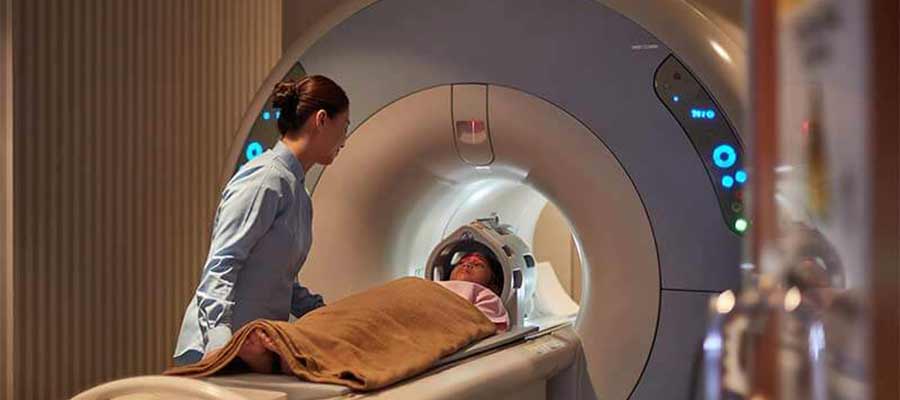
The job involves operating sophisticated imaging equipment to capture detailed views inside human bodies.
Patients arrive with questions. Something hurts. Something feels wrong. Doctors ordered an MRI to see what is happening beneath the surface. The technologist makes that visibility possible.
Each scan requires patient preparation. Explaining the procedure. Screening for metal implants that could interact dangerously with the magnetic field. Positioning the patient correctly for the specific body part being imaged.
Then comes the technical work. Selecting appropriate imaging sequences. Monitoring scan progress. Adjusting parameters when images show artifacts. Ensuring diagnostic quality before the patient leaves.
Tanya describes her work as solving puzzles. Every patient presents differently. Every scan requires slight adjustments. The routine never gets completely routine.
Where The Money Comes From
MRI technologists earn more than general radiologic technologists for specific reasons.
The scans take longer. Brain imaging might run forty-five minutes. Spine studies can exceed an hour. That time intensity limits patient volume compared to X-rays, where exams take minutes.
The complexity runs higher. MRI physics involves concepts that X-ray fundamentals do not cover. The equipment costs millions of dollars. Operating it correctly requires genuine understanding, not just button pushing.
Safety stakes add another layer. Magnetic fields strong enough to create diagnostic images are also strong enough to cause serious harm. Proper training protects patients and earns higher compensation.
Derek noticed the salary difference immediately when he transitioned from X-ray to MRI. Same employer. Same shift. Twelve thousand more annually because the modality demanded more expertise.
What Affects Individual Earnings
Within MRI technology significant salary variation exists. Several factors explain the range.
Work setting matters substantially. Outpatient imaging centers often pay more than hospitals because their business model depends on scan volume. High throughput means higher revenue per technologist.
Geography creates variation. Markets with technologist shortages pay premiums to attract talent. Coastal areas and retirement-heavy regions typically offer stronger compensation.
Experience builds value. Entry-level positions pay less than senior roles. Years in the field translate to higher earnings as competence becomes obvious.
Certifications open doors. ARRT and ARMRIT credentials tell employers you meet national standards. Some facilities require specific certifications for certain positions.
Specialization commands premiums. Cardiac MRI expertise. Neuroimaging focus. Breast MRI proficiency. These subspecialties attract higher compensation because fewer technologists have them.
Career Growth Paths
The field offers multiple directions for advancement.
Lead technologist positions supervise daily operations. Someone needs to coordinate schedules, handle problems, and ensure quality. That responsibility comes with higher pay.
Clinical preceptor roles involve training students during their rotations. Sharing expertise matters, and facilities compensate for it.
Safety officer positions focus on screening protocols and emergency procedures. As MRI safety requirements expand, these roles become more important.
Subspecialty expertise in cardiac, neuro, or musculoskeletal imaging opens premium positions at specialty practices.
Department supervisor tracks lead to management responsibilities overseeing entire imaging operations.
Rosa started as a staff technologist. Three years later, she supervised a team. Five years after that, she managed the imaging department for a multi-location practice. Each step brought salary increases and new challenges.
The Stability Factor
Healthcare does not disappear during economic downturns. People still get sick. Injuries still happen. Diagnostic imaging remains essential regardless of stock market performance.
MRI specifically continues growing as technology improves and new applications emerge. Conditions that once required exploratory surgery now get diagnosed through imaging. That trend increases demand for qualified technologists.
Job security appeals to people who remember parents losing positions during recessions. Marcus values knowing his skills remain needed even when other industries struggle.
Lifestyle Considerations
Predictable schedules benefit technologists compared to many healthcare roles.
Hospital shifts follow regular patterns. Eight-hour days with defined start and end times. Some evening and weekend coverage, but usually on rotation rather than constant chaos.
Outpatient centers often run business hours only. No overnight shifts. No holiday emergencies. More traditional work-life balance.
Travel assignments offer flexibility for those who want it. Work temporary contracts in different cities. Earn premium rates. See new places between assignments.
The work environment stays relatively calm. No emergency room chaos. No blood and trauma. Patients lie still in scanners. The pace allows conversation and connection.
Questions People Ask
Do MRI technologists earn more than X-ray technologists?
Yes, consistently. The specialization complexity and safety requirements justify higher compensation across most markets.
Which settings pay the highest salaries?
Outpatient imaging centers typically lead. Travel assignments often pay premiums. Specialty practices focused on specific body systems sometimes offer strong packages.
What certifications matter most?
ARRT and ARMRIT credentials are recognized nationally. Most employers require or strongly prefer certified technologists.
How long does becoming an MRI technologist take?
Most students complete associate degree programs in approximately two years, including clinical training.
Is the job market growing?
Yes. Seven percent projected growth through twenty thirty-four exceeds the average for healthcare occupations.
Starting Your MRI Career
The path into MRI technology is achievable for motivated students. Associate degree programs provide the foundation. Clinical rotations build competence. Certification proves readiness. Employment follows for qualified graduates.
The career offers what many people want from work. Solid compensation. Job security. Meaningful contribution. Reasonable lifestyle. Room for advancement.
Pulse Radiology Institute provides accredited MRI training designed for working adults. Flexible online coursework combines with clinical partnerships to prepare graduates for certification and competitive employment.
Your healthcare career can start with a decision. Make it count.
Blog Articles Related to MRI Clinical Skills…


What MRI Online Programs Are Best for MRI Technologists
Learn what to look for when evaluating the best MRI online programs for certification and career growth. Top programs offer accredited coursework, clinical placement coordination, and registry exam preparation. Choosing a reputable MRI school supports long-term professional advancement.

Three Effective Tips to Boost Your MRI Tech Salary
Discover three effective tips to boost your MRI technologist salary and advance your career. From earning advanced MRI certifications to gaining clinical experience and pursuing specialized training, strategic steps can increase earning potential. Investing in accredited MRI education helps position technologists for higher-paying opportunities nationwide.

Understanding Radiologic Technologist Salaries
Learn what influences radiologic technologist salaries and how specialization impacts earning potential. Compensation varies based on certification, experience, and geographic location. Advanced training in MRI can help technologists increase income and expand career opportunities.

Top Tips to Get Accepted into MRI Tech School
Discover top tips to get accepted into MRI tech school and strengthen your application. Meeting prerequisite requirements, maintaining strong academic performance, and understanding program expectations improve admission success. Choosing an accredited MRI program sets the foundation for certification and career advancement.
Additional Resources Related to MRI Scan Protocols Near Me…