
MRI Technologist Program Billings, MT

Ready to explore an MRI Technologist Program Billings, MT? Pulse Radiology Institute gives motivated students a serious pathway into MRI training with academic structure, simulation, and clinical preparation. Speak with admissions today and learn how to get started.
MRI Tech Program Billings, MT for Students Pursuing Diagnostic Imaging Careers
Many students researching an MRI Technologist Program Billings, MT want a direct healthcare training path that feels practical, specialized, and connected to real diagnostic imaging work. Magnetic resonance imaging requires students to understand both the science behind the scan and the patient-centered responsibilities that happen before, during, and after an exam. MRI technologists help operate advanced imaging equipment, prepare patients for exams, follow safety procedures, position patients correctly, and capture the images physicians rely on when evaluating medical conditions. For students who like healthcare, technology, precision, and patient care, MRI training can offer a focused path into a specialized medical imaging career.
PRI’s MRI pathway is built around the responsibilities students need to understand before entering the diagnostic imaging field. The program helps students build a foundation in MRI concepts, anatomy, patient interaction, exam procedures, imaging equipment, and the daily expectations of a working MRI department. Instead of treating MRI as a small portion of a broader healthcare curriculum, PRI places MRI training at the center of the student experience. Students comparing MRI technologist schools Billings, MT should look beyond the name of the program and consider whether the training is built around the realities of patient care, scanner safety, imaging workflow, and diagnostic quality.
Students interested in MRI training Billings, MT can benefit from a program model that brings together academic instruction, simulation-based practice, and clinical exposure. This gives students a path that begins with foundational knowledge and gradually moves toward applied imaging practice. Through online coursework and MRI-focused simulation, students can begin connecting what they learn academically with the type of decisions MRI technologists make during real imaging exams. That balance is important for students who need flexibility but still want a professional healthcare education pathway with real accountability.
PRI’s MRI technologist program is designed for students who want to study magnetic resonance imaging directly, not simply take a broad overview of healthcare. Students are introduced to MRI safety, imaging protocols, patient positioning, diagnostic image quality, and the professional judgment needed inside the exam room. The program is especially relevant for students who are detail-oriented, comfortable with technology, and interested in a role where patient communication and precision both matter every day.
Why Pulse Radiology Institute Is a Strong MRI Training Pathway for Billings, MT Students
A serious MRI technologist program should go beyond basic classroom explanations and help students understand how imaging work happens in the real world. They need a program that introduces scanner operation, patient preparation, safety procedures, department workflow, image quality, and the professional behavior expected in clinical settings. PRI’s structure helps students move through MRI education in stages, from coursework and simulation to clinical exposure and career readiness. That layered approach matters because MRI technologists work in an environment where safety, patient limitations, physician instructions, scan protocols, and image quality all have to be considered carefully.
For students in Billings, MT, the online coursework model can be a major advantage when comparing MRI technologist schools. This can help students manage their education more realistically while still staying connected to program expectations, instructor direction, and MRI-focused coursework. Even with online access, MRI training still requires consistency, time management, and serious study habits. To succeed, students need to remain active in the learning process, keep up with assignments, ask questions when needed, and respect the demands of MRI education. The structure may be accessible, but the purpose remains professional preparation for diagnostic imaging work.
One of the strongest parts of PRI’s MRI training model is the use of simulation to help students understand scanning concepts before they enter a live clinical setting. Through simulation-based learning, students can begin working through positioning concepts, protocol selection, scanner controls, and anatomy-specific imaging workflows in a more guided environment. This does not replace clinical training, but it can help bridge the gap between coursework and real patient care. That connection matters because students are not only trying to pass courses, they are preparing for the practical expectations of the MRI technologist role.
Clinical externship training is another important part of preparing for the MRI field. Students need exposure to professional imaging environments where they can observe workflow, interact with patients, understand department expectations, and develop confidence under supervision. Pulse Radiology Institute includes supervised clinical externship experience so students can gain meaningful exposure to the MRI environment before entering the field professionally. This matters because diagnostic imaging employers need technologists who understand safety, patient care, time management, communication, image quality, and professional conduct, not just classroom material.
The goal of the MRI Technologist Program Billings, MT is to help students prepare for a specialized role in medical imaging through a pathway that is focused, structured, and career-oriented. Students who are ready to pursue MRI training should speak with the admissions team at Pulse Radiology Institute to review program expectations, enrollment steps, technology requirements, clinical training details, and the best path forward. For the right student, this program can be the starting point for a future in one of the most advanced areas of diagnostic imaging.
What Students Can Expect From the MRI Technologist Program Billings, MT
Students comparing MRI technologist programs Billings, MT need to look beyond the name of the program and understand how the training is actually structured. A strong program should help students understand what they will study, how they will be supported, what will be expected from them, and how the training connects to the MRI field. Magnetic resonance imaging requires students to learn the technical side of scanning while also understanding patient care, safety screening, positioning, and department workflow. Pulse Radiology Institute offers a focused MRI pathway designed to connect academic learning with the practical thinking used inside diagnostic imaging environments.
The program is designed for students who want to pursue magnetic resonance imaging as a primary career direction. That distinction matters because MRI is not simply another healthcare support role. MRI technologists work with advanced imaging equipment, magnetic field safety requirements, patient screening procedures, anatomy-specific protocols, and physician-ordered exams. Students preparing for MRI need to understand how to care for patients while also learning how image quality, safety, protocols, and scanner operation affect the exam. Because the program is centered on MRI, students can keep their attention on the field they are preparing to enter instead of moving through a broad and unfocused healthcare curriculum.
Students enrolled in the MRI Technologist Program Billings, MT can expect a layered training model that includes online coursework, MRI simulation, and supervised clinical externship preparation. For students balancing education with work, family, or other responsibilities, online coursework can make MRI training more accessible while still requiring serious participation. However, this is still a serious healthcare education pathway. Students need to keep up with lectures, assignments, exams, communication, and program requirements because diagnostic imaging is a field where consistency and discipline matter.
Simulation-based learning can help students connect classroom concepts to scanner-based thinking before they enter clinical externship. This matters because MRI can be difficult to fully understand through reading alone. Simulation-based learning can help students understand how protocols, positioning, image planning, anatomy, and scanner controls relate to one another. By the time students enter the clinical setting, simulation can help them recognize key concepts instead of encountering every part of the workflow for the first time. Students researching MRI training Billings, MT may see value in a program that does not stop at theory, but also helps them understand how MRI concepts apply to actual scanning environments.
Clinical externship is an important stage where students begin connecting their education to the realities of professional imaging work. In a clinical setting, students can observe patient flow, safety screening, department communication, positioning routines, technologist responsibilities, and the pace of diagnostic imaging work. This matters because MRI technologists must be prepared for real patients, strict safety expectations, busy imaging schedules, and professional standards. The classroom can teach concepts, but clinical exposure helps students understand how those concepts are applied in a working department.
Why MRI Technologist Training Billings, MT Fits Students Who Want a Specialized Career
The MRI Technologist Program Billings, MT can appeal to students who want a healthcare career with a defined technical skill set. Not every student wants a general healthcare track, and MRI can appeal to those who want to work with patients while also learning advanced imaging systems and anatomy-based procedures. MRI sits at that intersection. The field allows students to prepare for patient care responsibilities while also learning imaging concepts, anatomy, scanner operation, and strict safety procedures. For the right student, this can feel like a more precise and career-centered path.
MRI technologists support the diagnostic process by helping produce images that physicians use to evaluate medical conditions and guide patient care decisions. MRI technology is advanced, but the technologist’s role is not simply to press buttons or run equipment. A trained MRI technologist must understand patient communication, magnetic field safety, positioning, protocol awareness, comfort monitoring, and the importance of producing clear diagnostic images. This is why students should look for MRI training that respects both sides of the career, including the scanner-based responsibilities and the patient-facing responsibilities.
Many students researching healthcare education near Billings, MT may be comparing MRI technologist training with nursing, medical assisting, radiology, ultrasound, or other allied health pathways. The advantage of MRI is that it gives students a specialized identity within medical imaging. Students who already know they are interested in imaging may prefer a program that places MRI at the center from the start. That does not make the program easy, but it does make the direction clearer. Students understand that they are preparing for imaging departments, MRI safety expectations, patient-facing responsibilities, and a specific diagnostic technology.
Pulse Radiology Institute’s MRI program may also appeal to students who want a structured pathway with online coursework, simulation-based preparation, and clinical externship expectations. This combination matters because students need access to learning material, but they also need training that points toward real MRI workflow and patient care. That balance matters because convenience alone is not enough in a healthcare education program. A good MRI program should make the learning path accessible while still respecting the discipline, safety awareness, and accountability required of future technologists.
The MRI Technologist Program Billings, MT is best suited for students who are detail-oriented, patient-focused, and comfortable learning technical material. MRI requires serious attention to safety because the magnetic environment has rules that must be followed carefully. MRI also requires patience because patients may be nervous, uncomfortable, in pain, claustrophobic, or uncertain about the exam process. It requires focus because image quality depends on correct positioning, protocol awareness, and careful workflow. Students who understand that balance may find MRI to be a strong long-term career direction.
For students ready to move forward, the next step is to speak with Pulse Radiology Institute about admissions requirements, program structure, clinical expectations, online learning responsibilities, and enrollment timing. Students should make an informed decision by asking questions, reviewing requirements, and understanding the level of commitment needed to succeed. For motivated students in Billings, MT, PRI’s MRI Technologist Program offers a focused pathway into one of the most advanced and specialized areas of diagnostic imaging.
Take the Next Step Toward MRI Training Billings, MT
If magnetic resonance imaging feels like the right direction, PRI gives students in Billings, MT a structured way to begin preparing for the field. The program combines online coursework, MRI-focused instruction, simulation-based learning, and supervised clinical externship experience so students can build a stronger foundation before entering the profession. Reach out today to ask questions, review the admissions process, and take a serious step toward MRI technologist training.





Questions About the MRI Technologist Program Billings, MT
What does the MRI Tech Program Billings, MT include?
The MRI Technologist Program Billings, MT is a focused diagnostic imaging education pathway for students who want to prepare for a career in magnetic resonance imaging. Instead of offering a broad healthcare program with MRI treated as a small part of the curriculum, Pulse Radiology Institute centers the program around MRI-specific education. The program introduces students to MRI physics, cross-sectional anatomy, patient communication, safety screening, imaging procedures, scanner concepts, and department workflow. Students who want a specialized healthcare path may find MRI technologist training appealing because it blends advanced imaging, patient interaction, and careful attention to detail.
How long is the MRI Technologist Program at Pulse Radiology Institute?
Pulse Radiology Institute offers an 18-month Associate of Science in Magnetic Resonance Imaging program. Students move through a structured combination of coursework, MRI-specific education, simulation preparation, and supervised clinical externship experience. This structure gives students a serious pathway into MRI education while keeping the program focused on the expectations of diagnostic imaging. Before applying, prospective students should speak with Pulse Radiology Institute about program requirements, online coursework expectations, clinical externship details, and the best enrollment timeline.
Is the MRI Technologist Program Billings, MT available online?
Students in the MRI program complete academic coursework online as part of PRI’s structured education model. That online format can help students manage the academic portion of training while balancing work, family, and other responsibilities. Even though coursework is available online, the program should still be treated as a serious healthcare education pathway. Students still need to complete assignments, stay engaged with course material, communicate with faculty, follow deadlines, and take the program seriously. MRI education requires accountability because students are preparing for a role connected to patient safety, imaging quality, and clinical workflow.
Does the MRI Tech Program Billings, MT include real clinical experience?
The MRI program includes clinical externship experience so students can connect their education to real imaging environments. Clinical training is important because students need exposure to professional imaging settings, not only classroom and online coursework. During clinical exposure, students can observe patient flow, safety screening, positioning routines, department communication, technologist responsibilities, and the pace of diagnostic imaging work. The clinical externship helps bridge the gap between academic learning, simulation practice, and the real expectations of MRI departments and imaging facilities.
What will students learn in the MRI Technologist Program Billings, MT?
The program helps students build a foundation in the concepts, responsibilities, and clinical expectations of the MRI field. Students may study MRI physics, anatomy, patient care, safety procedures, imaging protocols, positioning, scanner concepts, and diagnostic imaging workflow. The goal is to help students understand both sides of the MRI technologist role. MRI training should help students see how technology, anatomy, safety, positioning, patient communication, and clinical judgment all work together during an exam.
Who is a good fit for MRI technologist training?
MRI technologist training is a strong fit for students who are detail-oriented, comfortable with technology, patient-focused, and willing to study technical healthcare material. Students should understand that MRI safety is a major part of the profession because magnetic resonance imaging involves powerful equipment and detailed screening procedures. It also requires patience and communication because patients may feel anxious, uncomfortable, claustrophobic, injured, or unsure about the exam. Students who like structure, precision, anatomy, technology, and patient care may find the MRI Technologist Program Billings, MT to be a strong career direction.
Why choose Pulse Radiology Institute for MRI training?
Pulse Radiology Institute is focused on radiology and imaging education rather than offering MRI as a small part of a broad healthcare curriculum. That matters for students searching for an MRI Tech Program Billings, MT because MRI has its own safety requirements, technical language, patient care standards, and imaging workflow. PRI’s program combines online coursework, MRI-specific instruction, simulation-based learning, and supervised clinical externship preparation. That structure helps students prepare for the technical, clinical, and patient-facing responsibilities connected to MRI work.
How can I apply for the MRI Tech Program Billings, MT?
Students who are ready to move forward should contact Pulse Radiology Institute and speak with the admissions team. A good admissions conversation should cover program expectations, application steps, schedule, tuition, online coursework, clinical externship requirements, and what students need before starting. Before enrolling, students should understand the commitment involved and decide whether magnetic resonance imaging is the right long-term direction. For students in Billings, MT who are ready to pursue MRI training seriously, Pulse Radiology Institute provides a structured path into a specialized area of medical imaging.
Blog Articles About MRI Simulation Training Billings, MT
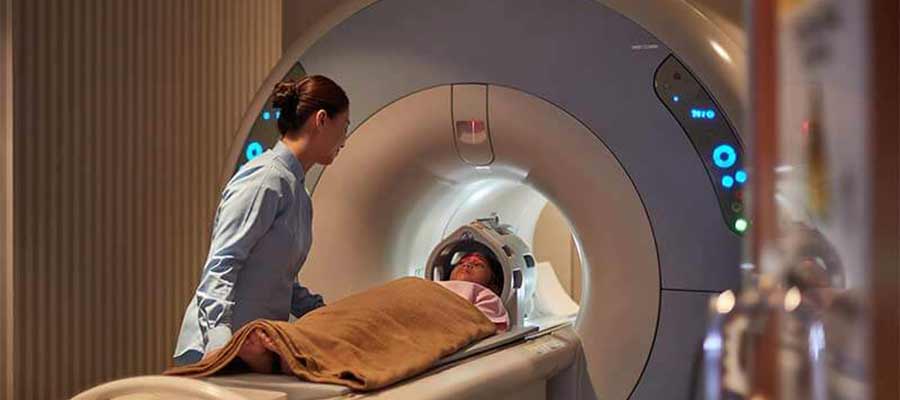
How to Become a Magnetic Resonance Imaging Technologist
Learn how to become a magnetic resonance imaging technologist through accredited education and certification. MRI training programs combine didactic instruction with hands-on clinical experience. Completing an approved program prepares students for ARRT or ARMRIT credentialing and career entry.
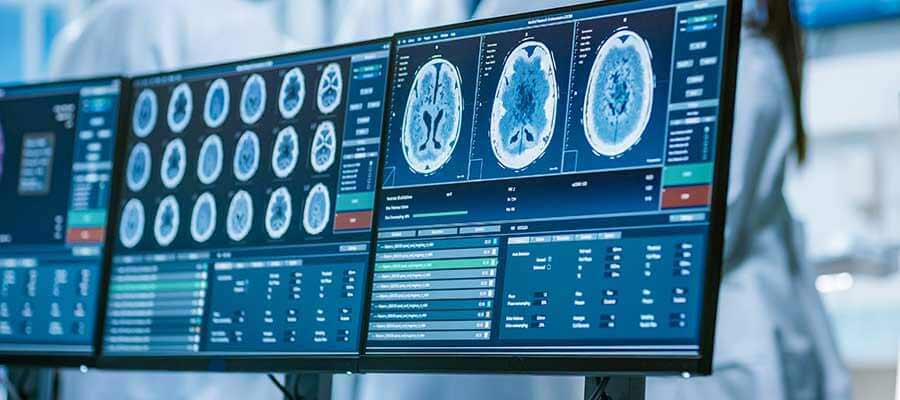
Are There Online MRI Tech Programs
Learn whether there are online MRI tech programs and how they prepare students for certification. Accredited MRI programs combine flexible online coursework with structured clinical training at approved sites. This hybrid format allows aspiring MRI technologists to pursue education without relocating while meeting registry eligibility requirements.

Online RN to BSN Programs Help You Earn More and Do More
Explore how online RN to BSN programs help nurses earn more and expand their professional impact. A BSN strengthens clinical knowledge, leadership skills, and career mobility. Flexible online formats make it easier to advance without interrupting your current role.

Comprehensive Breakdown on MRI Tech Schools
Get a comprehensive breakdown of what MRI tech schools offer future imaging professionals. Accredited programs combine structured MRI coursework with hands-on clinical training and certification preparation. Choosing the right MRI school is essential for ARRT or ARMRIT eligibility and long-term career success.
More Links About Magnetic Resonance Imaging Program Billings, MT
Prepare for a Career in Magnetic Resonance Imaging
MRI is one of the most advanced areas of diagnostic imaging, and the right program can help students understand the technical, clinical, and patient-focused responsibilities of the field. PRI helps students prepare through a structured MRI education model that supports academic learning, simulation-based practice, and real clinical exposure. Take the next step by contacting Pulse Radiology Institute and learning what it takes to begin MRI technologist training.
If you are looking for an MRI Tech Program Billings, MT, Pulse Radiology Institute offers a structured education pathway designed around magnetic resonance imaging. The program combines online coursework, MRI-focused instruction, simulation-based learning, and supervised clinical externship preparation so students can build both academic knowledge and practical readiness. MRI technologist training may be a strong fit for students who are detail-oriented, patient-focused, and interested in one of the most specialized areas of medical imaging. Speak with PRI today to request program details and see whether MRI technologist training is the right next step.